
Article #466
Two stories crossed my desk last month, half a world apart, joined by the same affliction: institutions so wedded to their own process that they lose sight of the people it should serve, and then reach for that process as a shield. The pattern is worth naming, because it is far more common than outright wrongdoing and far harder to spot. Nobody sets out to fail. They simply follow the steps, tick the boxes, and assume the machine will catch what they did not.
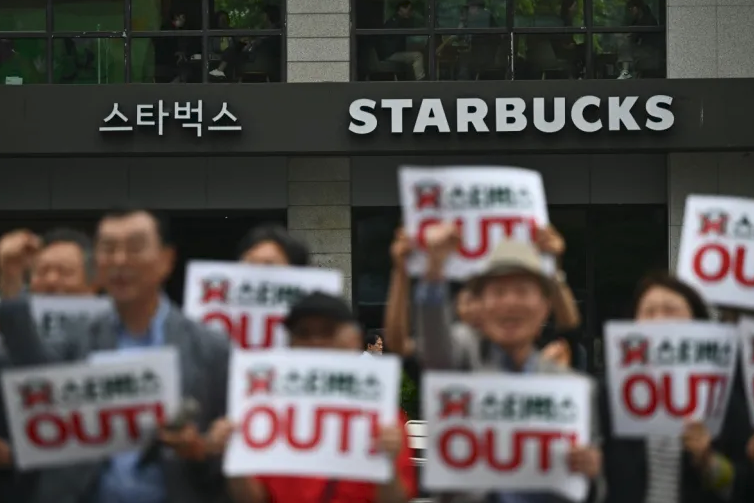
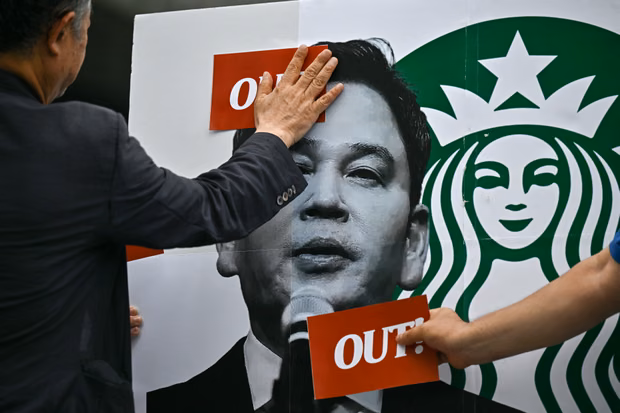
Our first story comes courtesy of former MP Rick Barker. Starbucks South Korea launched a promotion for “Tank Day” on 18 May, the anniversary of the 1980 Gwangju massacre, when the military rolled tanks over pro-democracy protesters and killed hundreds [1].
It did not land well.
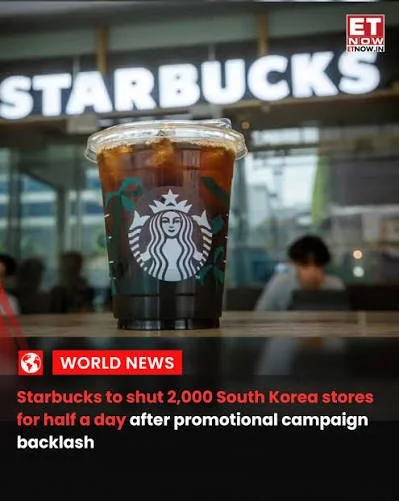
The Korea CEO was sacked and weekly sales fell more than a quarter [2]. What makes the episode instructive is not that a mistake was made, but how it was made. Reports suggest the marketing team asked an AI tool for suggestions, the approving officials never opened the design file, and the legal review was skipped entirely [3]. Every gate that should have stopped it was either delegated or waved through. Not malice, but blindness – the particular blindness of people who trusted the process to do their looking for them.


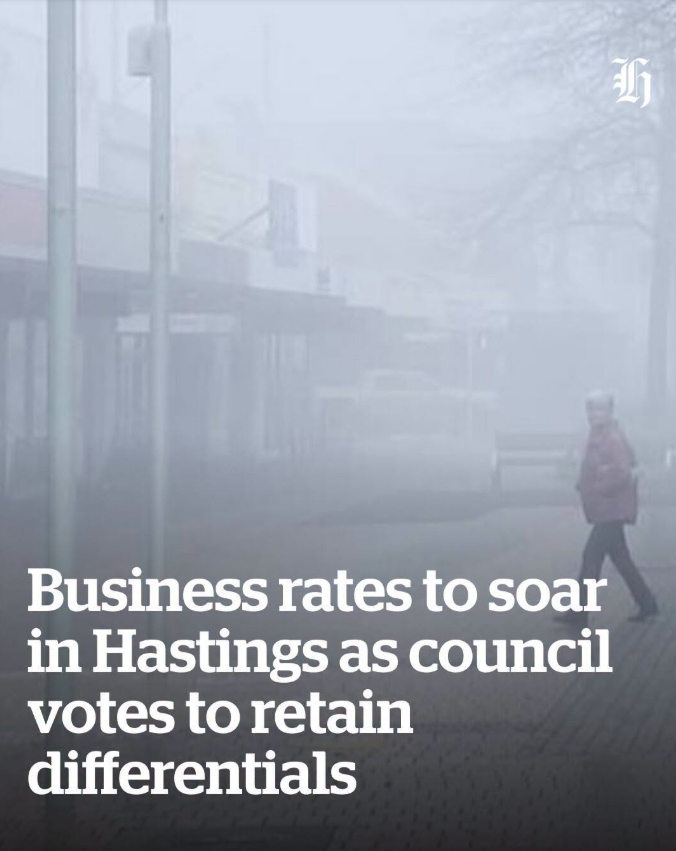
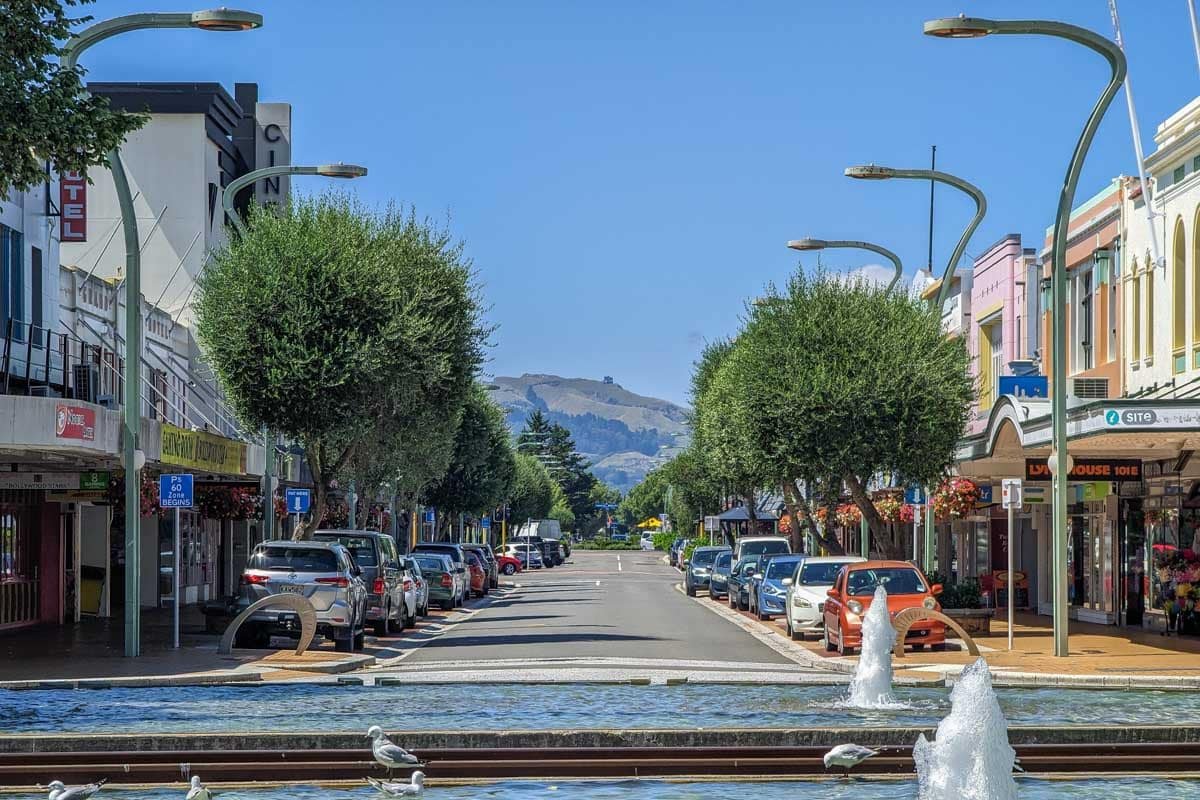
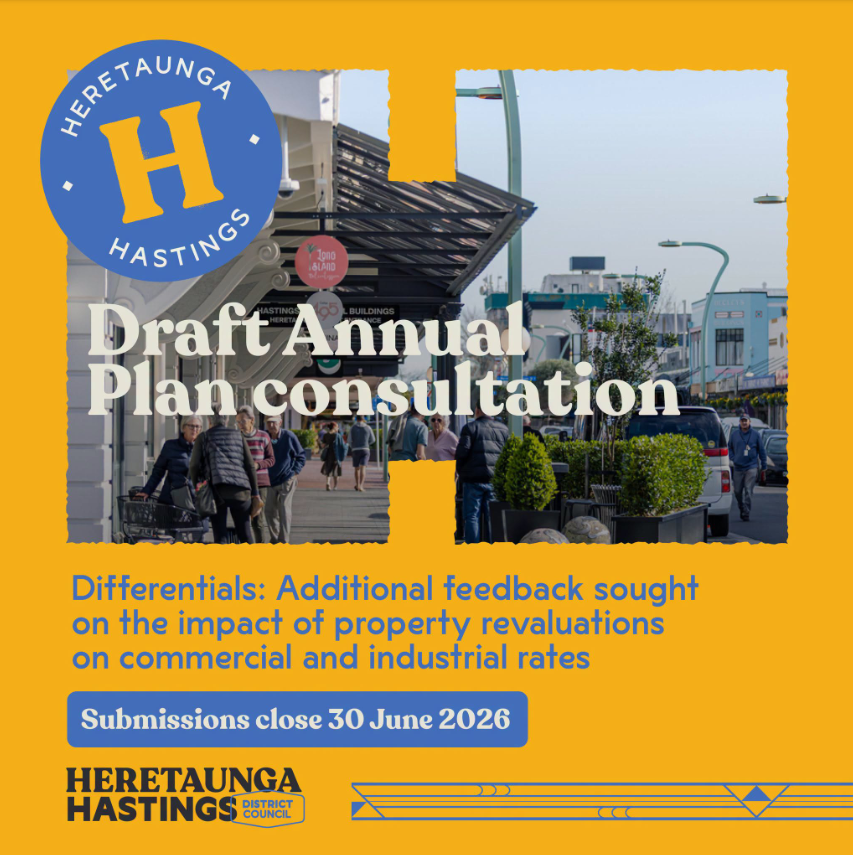
In story two, we return to Hastings. Council consulted on an Annual Plan offering a 5.9 or 9.1 percent rates rise, and businesses across the district budgeted accordingly [4]. Then Quotable Value’s revaluation landed. Commercial and industrial land values had risen sharply while residential values fell close to 20 percent. Because rates are apportioned by property value, that swing shifted a far larger share of the burden onto commercial owners – not through any decision to target them, but as an automatic consequence of the arithmetic. One inner-city operator told the Herald his rates were jumping almost 30 percent, a rise he believed could end his business [4]. The certified figures arrived only two working days before submissions closed, creating an extremely limited window for the very people most affected to respond.
The official line was that Council did not have the numbers until early May. Under questioning, that account became more complicated. The mayor acknowledged she had received an indication that there could be a significant shift [5]. A councillor has since stated that officers held a pre-audit valuation report in February and March showing commercial values rising and residential values falling, yet ratepayers were given no warning [6]. The distinction matters. There is a difference between not having a certified, audited, signed-off figure and having no idea at all which way the wind was blowing.
That admission raises a fair question: whether earlier, plainer communication could have helped affected ratepayers prepare, even without the final numbers in hand. You do not need certified figures to the last decimal to tell a café owner a storm may be coming. Not knowing the final number is not the same as knowing nothing. A warning that a material shift was likely – caveated, provisional, honest about its uncertainty – would have cost the Council nothing and given businesses time to plan, to model their exposure, to organise a considered submission rather than a scramble.
Then, after a second round of consultation and 233 submissions seeking relief, Council retained the differentials in full and deferred the rating review to the 2027 Long Term Plan [7]. A pause on the Hastings CBD targeted rate was offered as the consolation; Havelock North businesses did not receive the same relief [7]. And the decision was posted immediately before a long weekend – a timing that, whatever the intention behind it, did little to foster the perception of an open and confident process. Institutions that are proud of a decision tend to announce it in daylight.
With amalgamation now looming [8], the deferral carries a further risk. A review pushed out to a future Long Term Plan may ultimately be inherited by an entity that never made the promise. A commitment made by one council to revisit its rating approach is only as durable as that council; restructure the furniture and the promise can quietly fall down the back of it.
There was, it turns out, an alternative on the table. A councillor had proposed a different differential before consultation opened, one that eased the commercial burden while nudging the rural villages toward parity. He and four colleagues voted against the status quo; ten voted to retain it. His alternative could not proceed, he says, because the modelling had not been completed [6]. Whatever the merits of his particular proposal, the sequence is telling: an option existed, and the process – not a debate on its substance – was the reason it went no further. When process appears to foreclose the consideration of alternatives rather than enable it, confidence in the process itself begins to suffer.
Let me be clear about what this is and is not. The rates were never the real issue. Revaluations happen; they are an independent statutory exercise the Council does not control, and this one at least spared many households the worst by loading the swing onto commercial property instead. The more significant issue is confidence in the process that surrounds the numbers: whether people were given timely information, whether options were genuinely explored, and whether the concerns of those affected received meaningful consideration before the die was cast.
Starbucks lost a quarter of its sales because nobody thought to examine the impact of what they were about to do. Hastings’ ratepayers risk losing something slower to rebuild: the confidence that important information will be shared with them while there is still time to act on it. Trust is the one asset a council cannot borrow against. It does not appear on any balance sheet, it cannot be levied, and once it is spent it cannot be refinanced.
As Hawke’s Bay considers significant structural change through possible amalgamation, the lesson extends well beyond one year’s rates. Public institutions do not earn trust because every decision they make is popular – that is an impossible standard and not a sensible one. They earn it when people feel informed, heard and treated fairly throughout the process, win or lose. Consultation, transparency and candour are not administrative box-ticking to be completed and filed; they are the foundation upon which public confidence actually rests. Once that confidence begins to erode, rebuilding it is far harder, and far more expensive, than preserving it in the first place. That is a lesson worth learning before the machinery of local government is rebuilt, not after.

Nick Stewart
(Ngāi Tahu, Ngāti Huirapa, Ngāti Māmoe,
Ngāti Waitaha)
Financial Adviser and CEO at Stewart Group
Stewart Group is a Hawke's Bay and Wellington based CEFEX & BCorp certified financial planning and advisory firm providing personal fiduciary services, Wealth Management, Risk Insurance & KiwiSaver scheme solutions.
The information provided, or any opinions expressed in this article, are of a general nature only and should not be construed or relied on as a recommendation to invest in a financial product or class of financial products. You should seek financial advice specific to your circumstances from a Financial Adviser before making any financial decisions. A disclosure statement can be obtained free of charge by calling 0800 878 961 or visit our website, www.stewartgroup.co.nz
REFERENCES
“Starbucks Apologizes After Ad Campaign Evokes Massacre,” Associated Press, May 2026; Branding in Asia, “Shinsegae Chairman Issues Apology Over Starbucks Korea ‘Tank Day’ Campaign,” May 2026.
“Starbucks’ Korea sales plunge after Tank Day marketing backlash,” Reuters, May 2026; CEO Sohn Jeong-hyun dismissed per CNN.
“Foreign Media Spotlight Starbucks Korea’s ‘Tank Day’ Backlash and Sales Plunge,” Seoul Economic Daily / Yonhap, 27 May 2026.
“Hastings business says rate hike of almost 30% could end them, mayor ‘beyond livid’ with situation,” NZ Herald / Hawke’s Bay Today, June 2026.
Public meeting convened by the Hastings and Havelock North Business Associations, 4 June 2026.
Cr Steve Gibson, public statement on the 2026/27 Annual Plan decision, July 2026: pre-audit valuation report in February/March, 25–75 percent impact estimate, alternative rating differential proposal, and 10–5 vote to retain the existing differentials. Facebook.
“Council adopts 2026/27 Annual Plan,” Hastings District Council, July 2026 (differentials retained; rating review deferred to the 2027 Long Term Plan; Hastings CBD targeted rate pause).
“Majority of Hawke’s Bay submitters favour amalgamation into one council,” Hawke’s Bay Today, 14 July 2026.