Article #465
Hadrian's Wall has fascinated me since I was a kid. As you read this, I will have just finished cycling part of it with my family and a good friend who’s also a client.
It’s the kind of trip where you spend your evenings in a pub working out the next day's ride, and your days quietly humbled by what people built two thousand years ago. I've been reading up on the wall for months, as one does before such a trip. And - hazard of the job - the more I read, more I noticed a story that financial advisers, and the people who rely on them, should pay attention to.

The Wall, as it stood
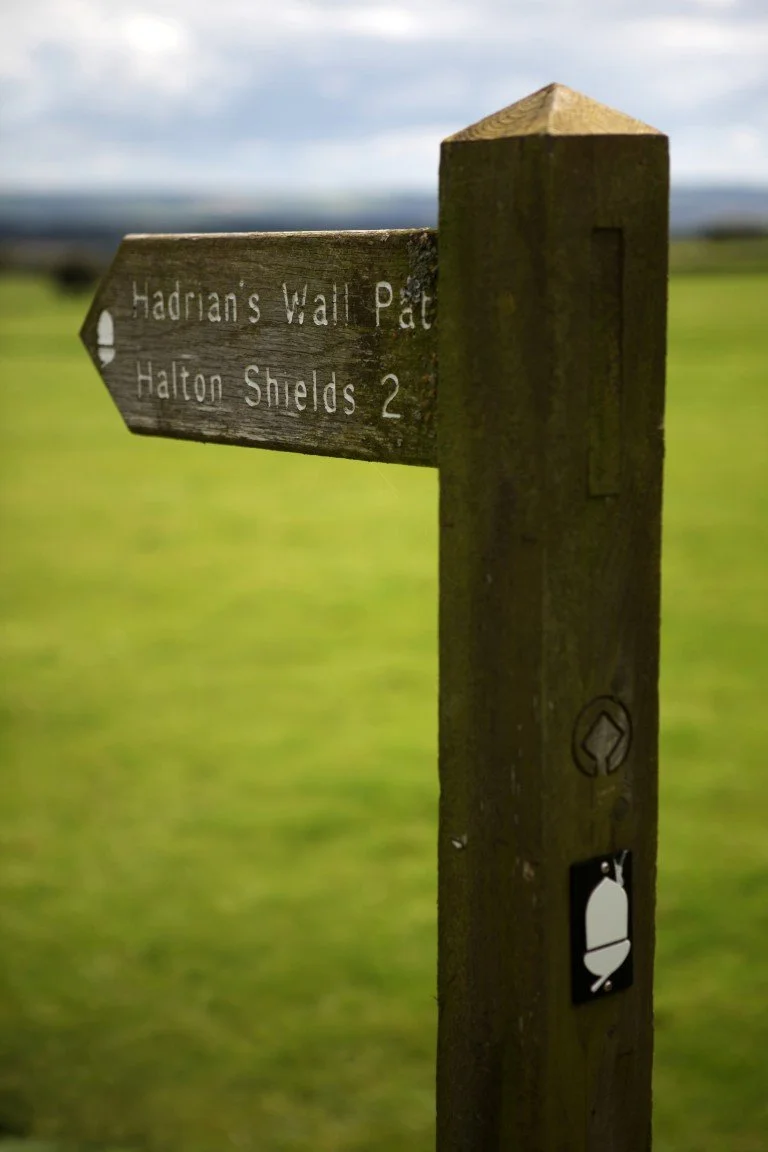
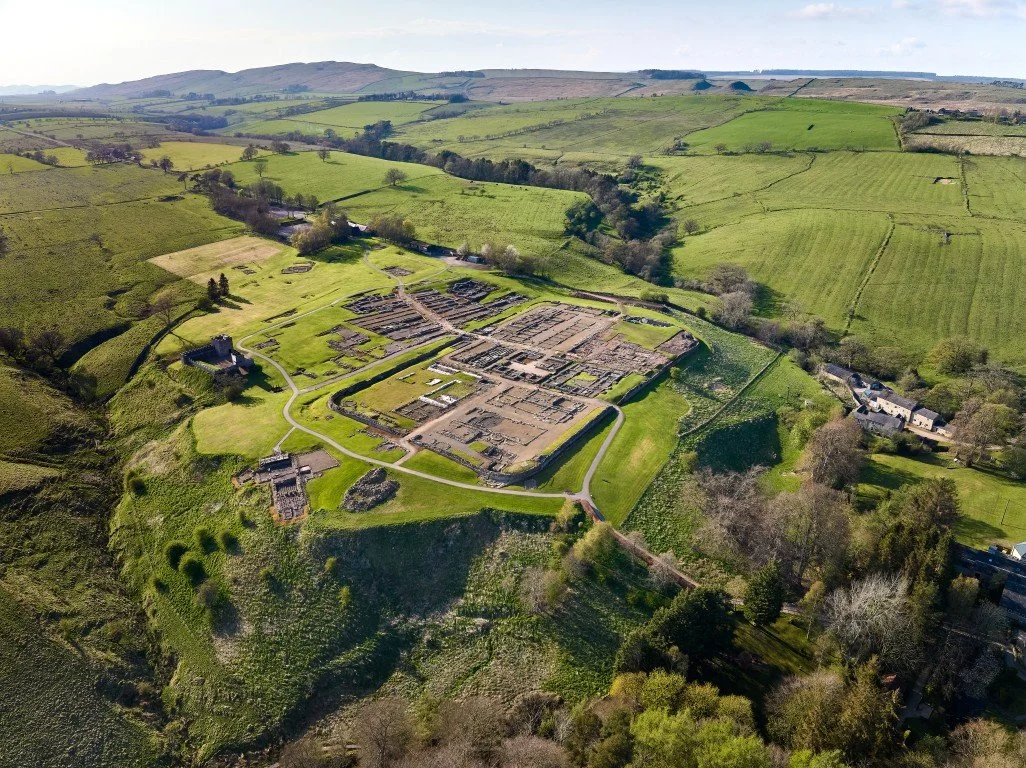
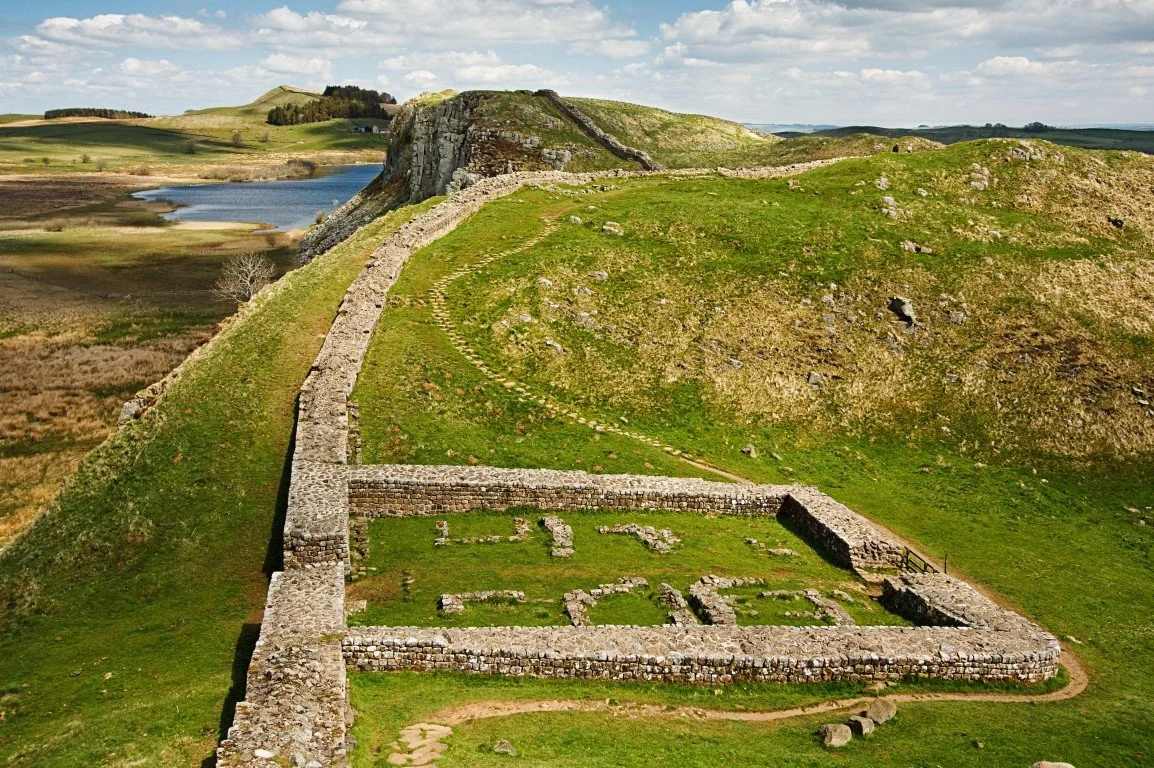
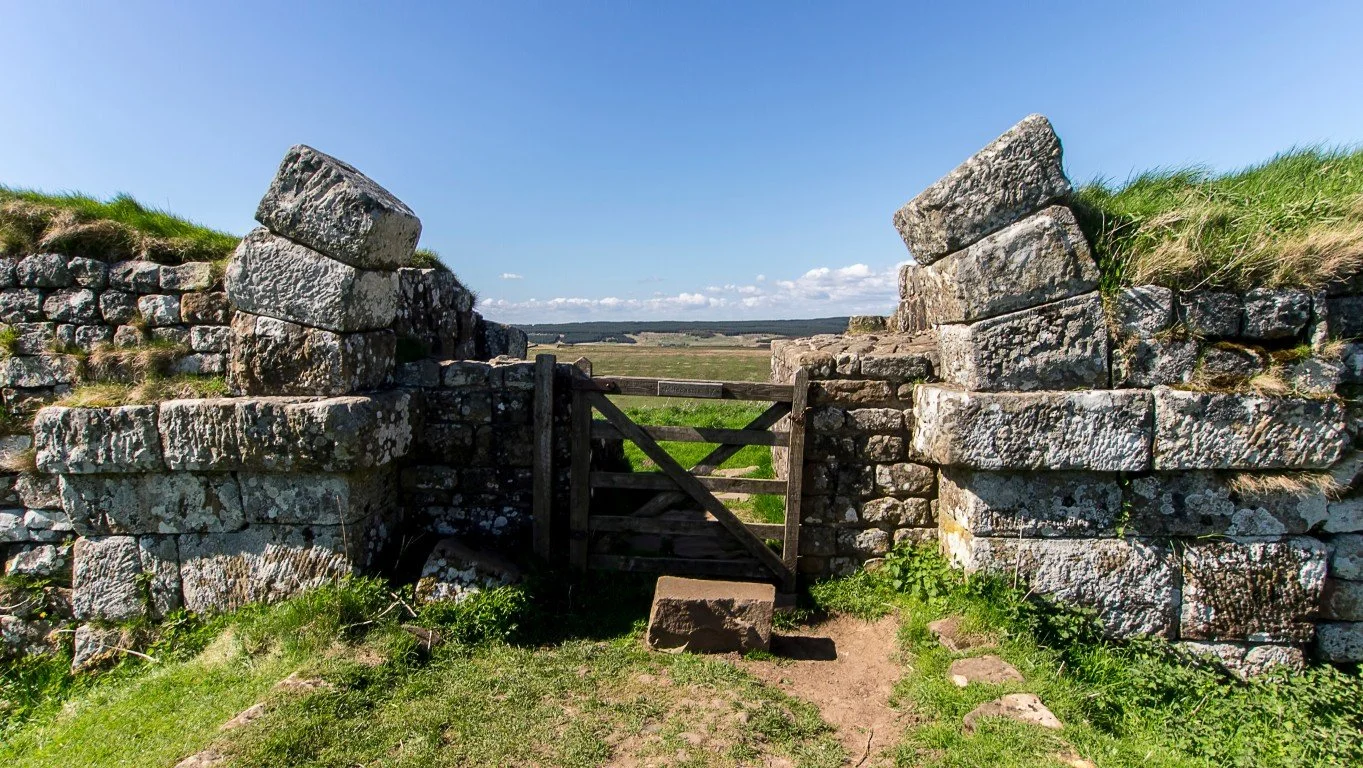
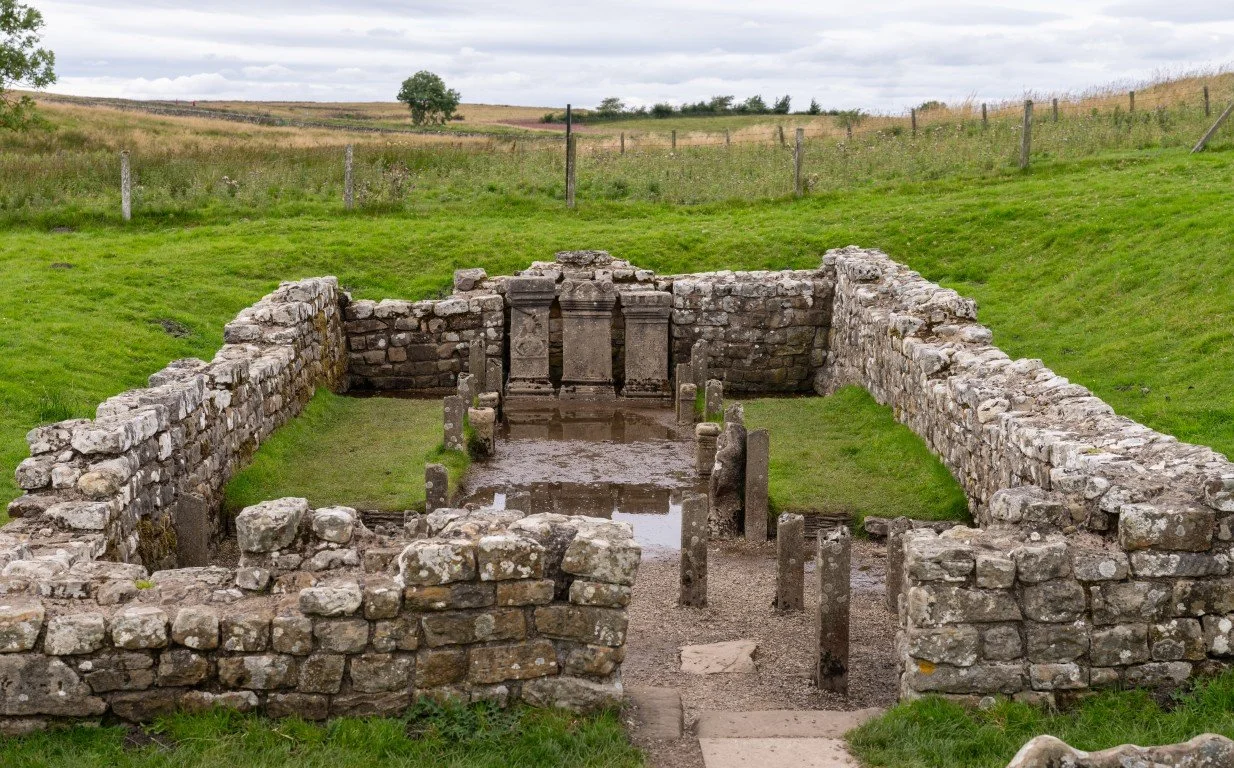
Hadrian's Wall was begun in AD 122 under the emperor of the same name. It ran 73 miles coast to coast, from Wallsend on the River Tyne in the east to Bowness-on-Solway in the west. Around 15 feet high, originally 10 feet thick (later narrowed to 8 in places to speed construction), fronted by a wide ditch, with a fortlet known as a milecastle every Roman mile, and two observation turrets in between each one. It took the legions roughly six years to build, and it was manned in some form for nearly three centuries.
To put the scale of it in New Zealand terms: Picture a stone wall from Tauranga to Raglan. Every mile of it manned, every milecastle stocked, every turret garrisoned, around the clock. Then think about how hard it has proved in modern times to commit to a second Auckland Harbour crossing. Decades of debate, billions in costings, and we still haven't put a spade in the ground for what is essentially a few kilometres of road and tunnel.
The Romans put up that wall in six years and manned it for nearly three centuries. The quantum of capital, the legionary labour, the supply lines, the stone, the timber, the ongoing garrison: it boggles the mind. It was the state of the art. The frontier, literally and figuratively, of what was possible.
But, that’s not the part I found most instructive. This is.
The upgrade that didn't hold
When Hadrian died in AD 138, his successor Antoninus Pius made a different call.
He decided the wall wasn't enough, or wasn't far enough north, and he pushed the frontier deeper into what is now central Scotland. He ordered a new wall built between the Firth of Forth and the Clyde, on the orders of his governor Quintus Lollius Urbicus. The Antonine Wall, as we now call it, was 39 miles of turf on a stone base. It had 16 forts and a road called the Military Way running behind it. It was the next-generation solution. The bold reposition. The upgrade.
It was also abandoned within about a generation.
The legions pulled back to Hadrian's Wall. The Antonine Wall, the most ambitious frontier project of its day, became a curiosity in the Scottish landscape.
Two of the most expensive military engineering projects of the ancient world. Both built by the best engineers of their age. Both, in their way, overtaken by circumstance. We use neither Antionine nor Hadrian’s Wall in this modern age. We don’t need to.

The parallel
Reading about this, I couldn’t help but think of when I sit down with people who tell me their financial plan is bulletproof.
The plan is usually built around a single conviction. A favoured stock that has done well for the last decade. A fund the adviser recommended at a long lunch in 2019. A single asset class, often residential property, sometimes a concentrated equity portfolio. The numbers add up on a spreadsheet. The projections look tidy. The client signs off and feels secure.
It’s state of the art... for its day.
The trouble is that any day eventually ends. Markets shift, and they shift in ways that are obvious only in hindsight. Sectors that looked unassailable five years ago are nursing real wounds now.
The growing effectiveness of AI is reshaping how per-seat software businesses get valued, because if one person and an agent can do the work of nine, the per-seat model starts looking thin. GLP-1 drugs are reshaping assumptions about big pharma earnings. The post-Covid environment has changed everything from vaccination rates to office occupancy to commodity flows. Plenty of concentrated bets that looked clever in 2021 are no longer looking quite so clever in 2026.
The wall that was bold and bulletproof becomes a museum piece, and very often the people standing inside it are the last to notice.
What the Romans got right and what they got wrong
The Romans weren't stupid. They were the best engineers of their age, and Hadrian's Wall is, in its own right, an extraordinary achievement. It didn't fail because the design was poor. It became irrelevant because the world around it changed: the politics of Rome, threats to the Empire, economics. The circumstances that called for the Wall no longer existed.
Walls, by their nature, do not change.
Plans, by their nature, should.
This is the thing I keep coming back to: A good financial plan isn't a wall. It's a garrison. It must be broadly spread, regularly reviewed, regularly rotated, grounded in the evidence rather than in one manager's conviction about the next big thing. The factors that drove returns in the last cycle are not the factors that will drive them in the next. Tax settings, the regulatory landscape your family, your goals – the world changes with time. A plan that doesn't change with them isn't a plan; it's a monument, and a fairly expensive one at that.
For savvy investors, the discipline isn't picking the right wall once. It's seeking wise counsel often enough that you notice when the frontier has shifted, and you can adjust before you find yourself defending ground that no longer matters.
This is also why we are an evidence-based firm. We don't try to pick the next winning stock or guess which active manager will sit in the top quartile in five years' time, because the academic record on that is settled and it isn't kind. Most active managers don't beat their benchmark over long periods. The few who do can't reliably be picked in advance. The path that has actually compounded for clients over the decades is something far less glamorous: broad diversification, disciplined exposure to the factors that drive long-term returns, low costs, and the patience to stay the course. We use Dimensional funds for that reason. The foundation is fifty years of academic research, not someone's conviction about the next big thing.
In practice, the work is unglamorous. It's an annual review with hard questions of last year's plan. It's rebalancing when a position has run further than the strategy intended. It's saying no to the new shiny thing because it doesn't fit the wider picture. It's sitting down again when life changes, because the plan needs to change with it. None of it makes a great story at a barbecue. All of it compounds quietly, and it is the whole point.
Fifty years in
So I've been out there this week, marking my 50th; watching the moors roll past and thinking about the Roman soldiers who walked that wall for 300 years and the ones who walked away from the Antonine Wall after thirty. And thinking, with gratitude, about the clients we've walked alongside over the years. The conversations that have moved plans forward, the times we've changed direction together, and the times we've held firm.
The world keeps moving. The job is to move with it, thoughtfully, with discipline, and with help.
Here's to the next fifty.

Nick Stewart
(Ngāi Tahu, Ngāti Huirapa, Ngāti Māmoe,
Ngāti Waitaha)
Financial Adviser and CEO at Stewart Group
Stewart Group is a Hawke's Bay and Wellington based CEFEX & BCorp certified financial planning and advisory firm providing personal fiduciary services, Wealth Management, Risk Insurance & KiwiSaver scheme solutions.
The information provided, or any opinions expressed in this article, are of a general nature only and should not be construed or relied on as a recommendation to invest in a financial product or class of financial products. You should seek financial advice specific to your circumstances from a Financial Adviser before making any financial decisions. A disclosure statement can be obtained free of charge by calling 0800 878 961 or visit our website, www.stewartgroup.co.nz
We do not hold or advise on any private credit or private equity investments.
REFERENCES
English Heritage, "History of Hadrian's Wall", english-heritage.org.uk
Britannica, "Hadrian's Wall" and "Antonine Wall" entries, britannica.com
Historic Environment Scotland, "Antonine Wall", historicenvironment.scot
North East Museums (Segedunum Roman Fort), "The building and development of Hadrian's Wall", northeastmuseums.org.uk
World History Encyclopedia, "Hadrian's Wall" and "Antonine Wall", worldhistory.org
UNESCO World Heritage listings, Frontiers of the Roman Empire (Hadrian's Wall designated 1987; Antonine Wall designated 2008)
Bede, Ecclesiastical History of the English People (8th century), early historical description of Hadrian's Wall as "eight feet in breadth, and twelve in height"