
Article #484
Canny View: the fall of Constantinople, and what a thousand years of walls can teach a Kiwi investor
In July I set out early one morning in Istanbul, before the heat could settle, to walk the Theodosian Walls, the fortifications that kept Constantinople standing for a thousand years, and to find one particular spot that had long fascinated me.
The walls run about 6km down the western edge of the old peninsula [1]. Raised in the early fifth century, they were not a single barrier but a layered system: a moat, a low outer wall, a terrace, then a massive inner wall studded with ninety-six towers [1]. For eight centuries they turned back everyone who came - Avars, Arabs, Bulgars, Rus. There is a great deal in how they managed that, and how they eventually lost it, for anyone thinking about protecting what they have built.
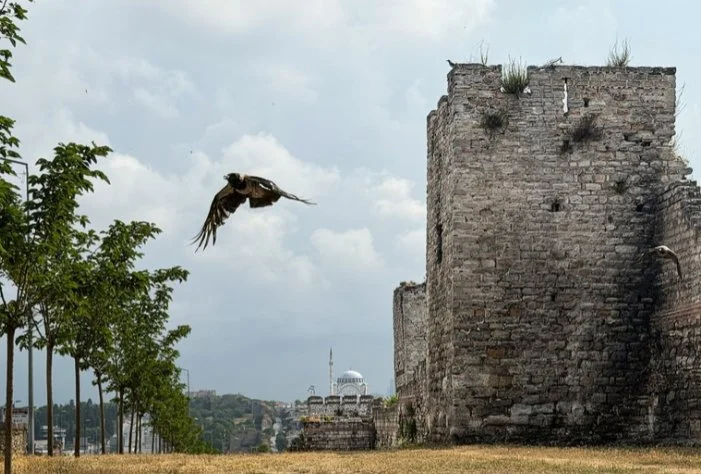
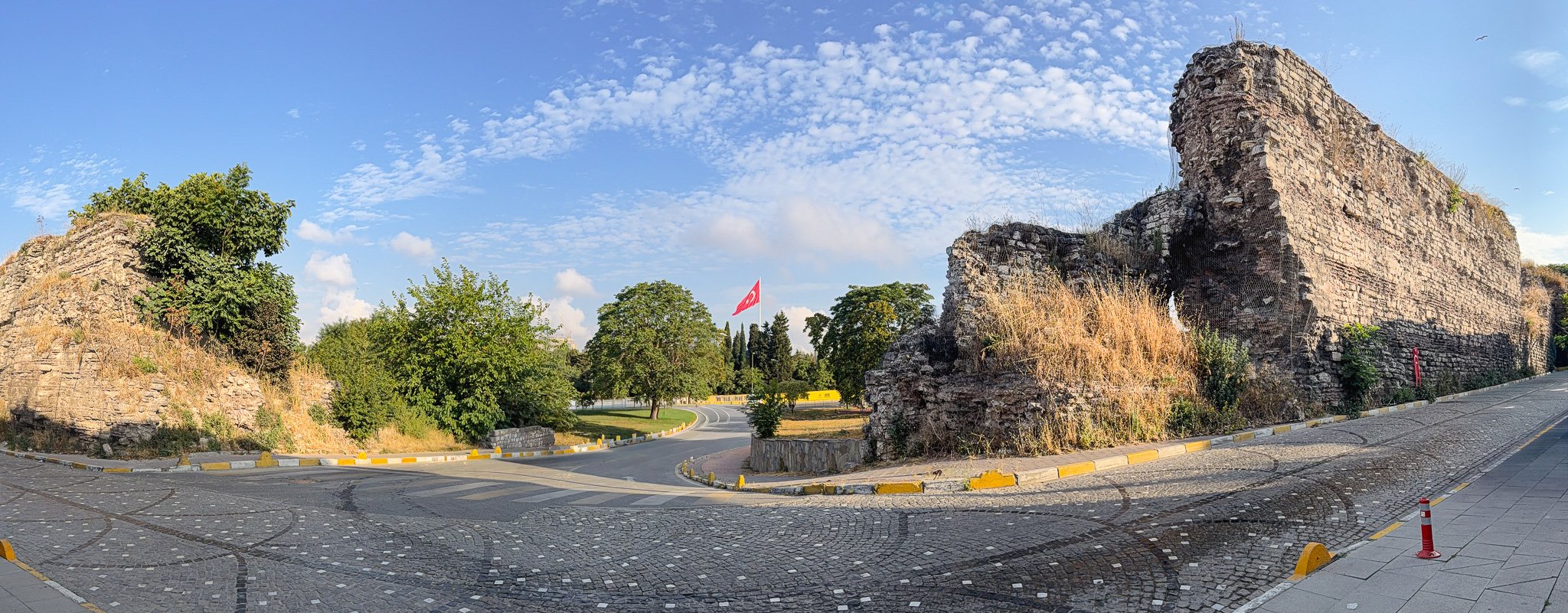
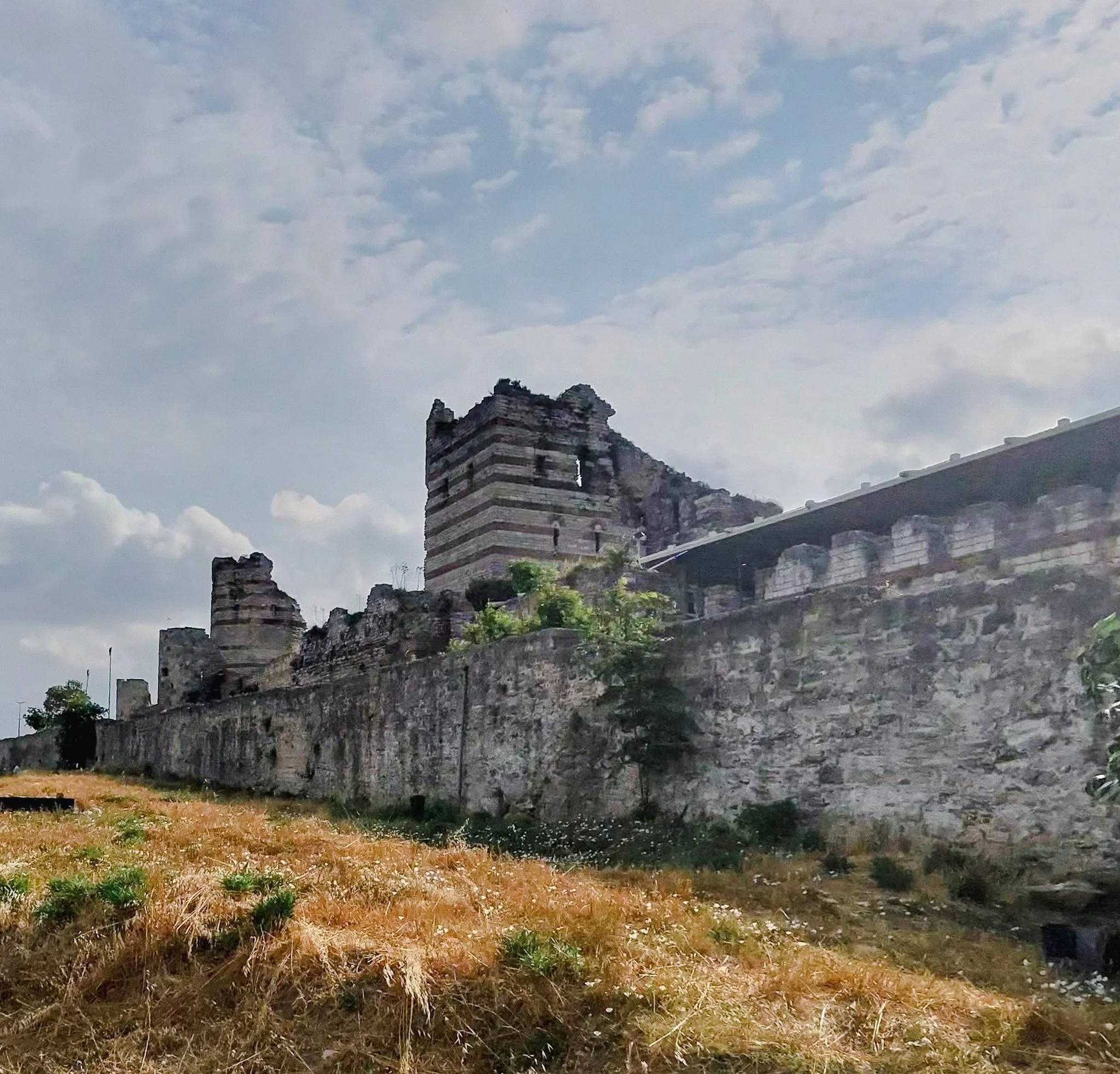
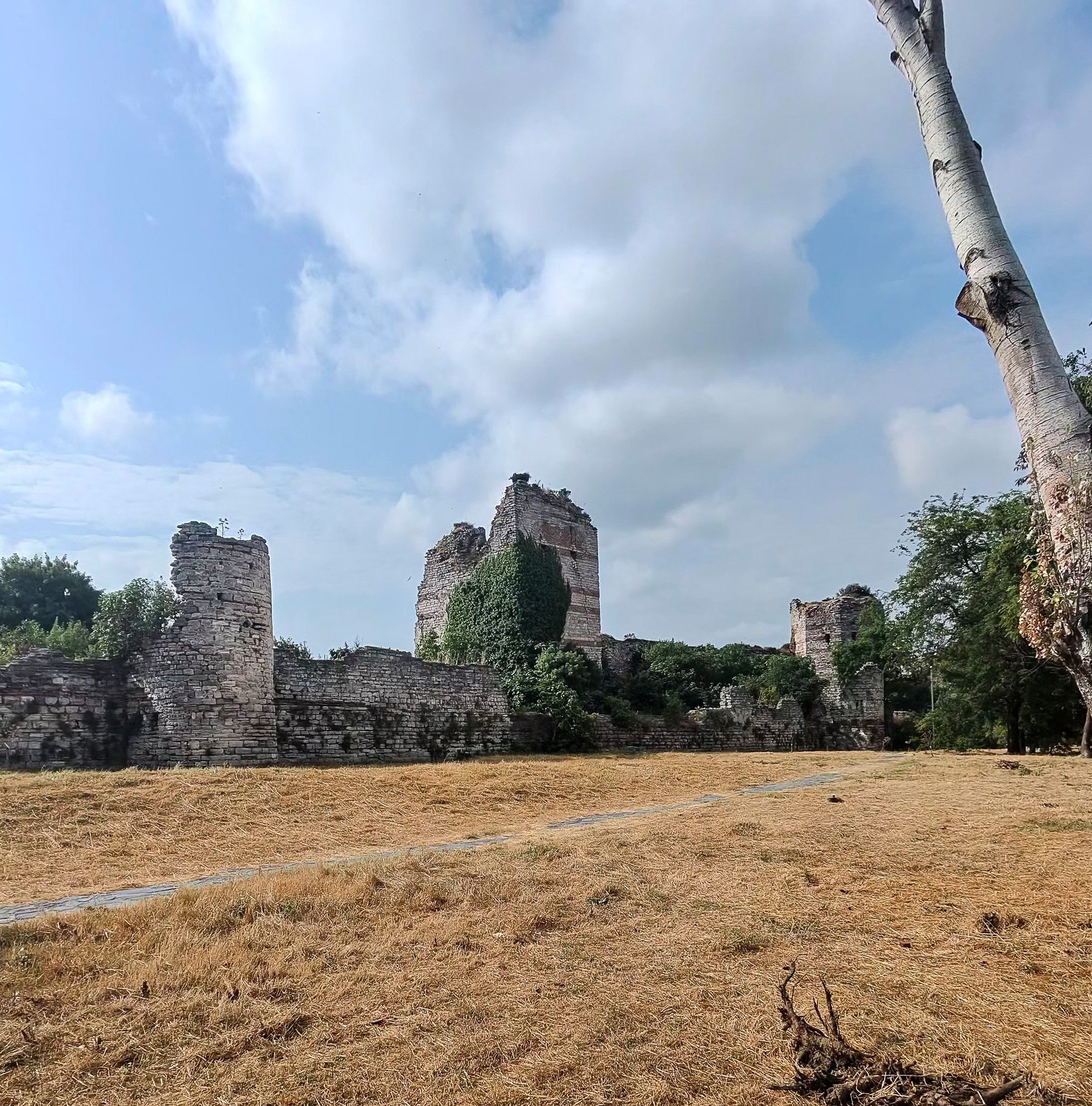
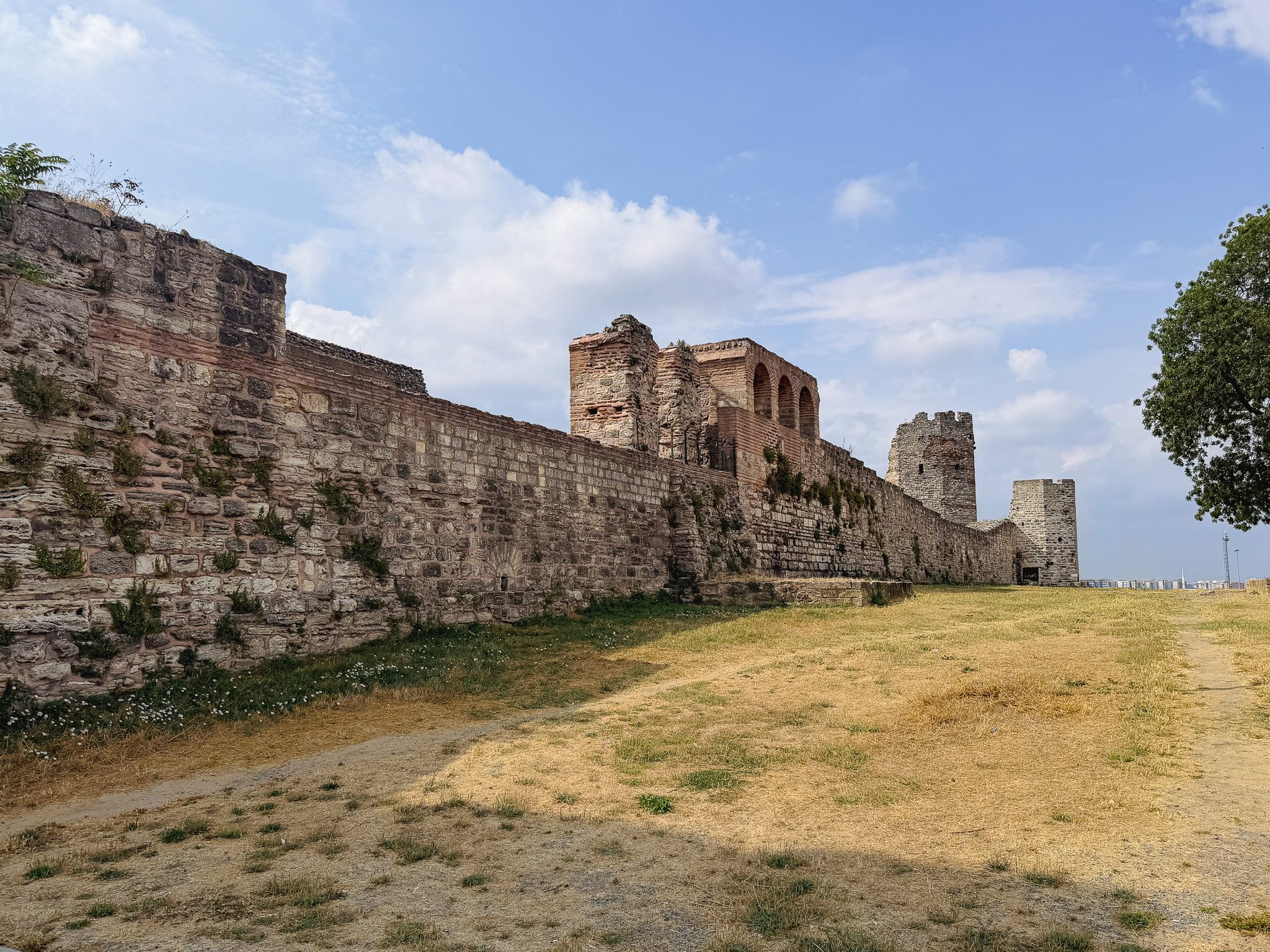
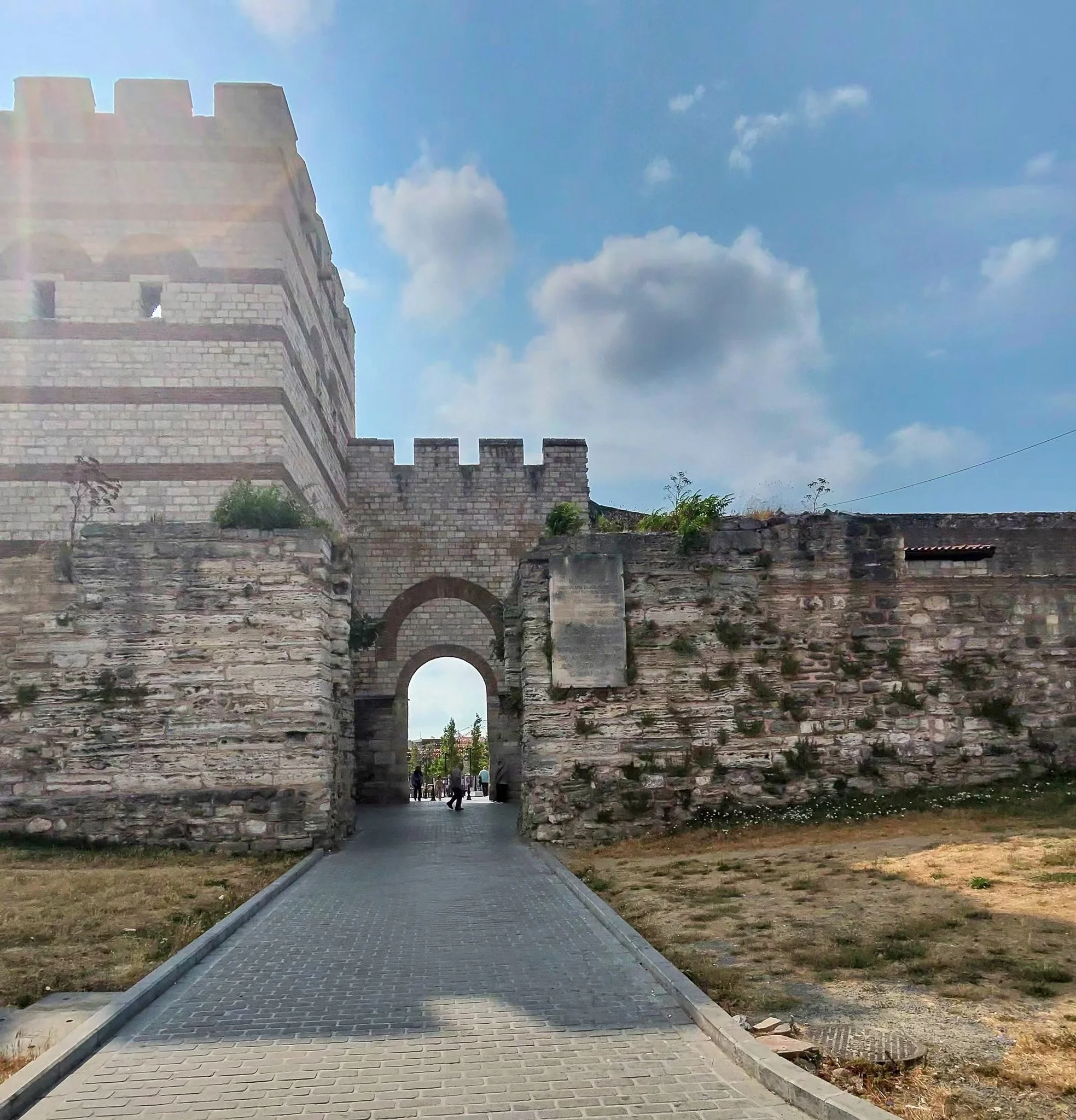
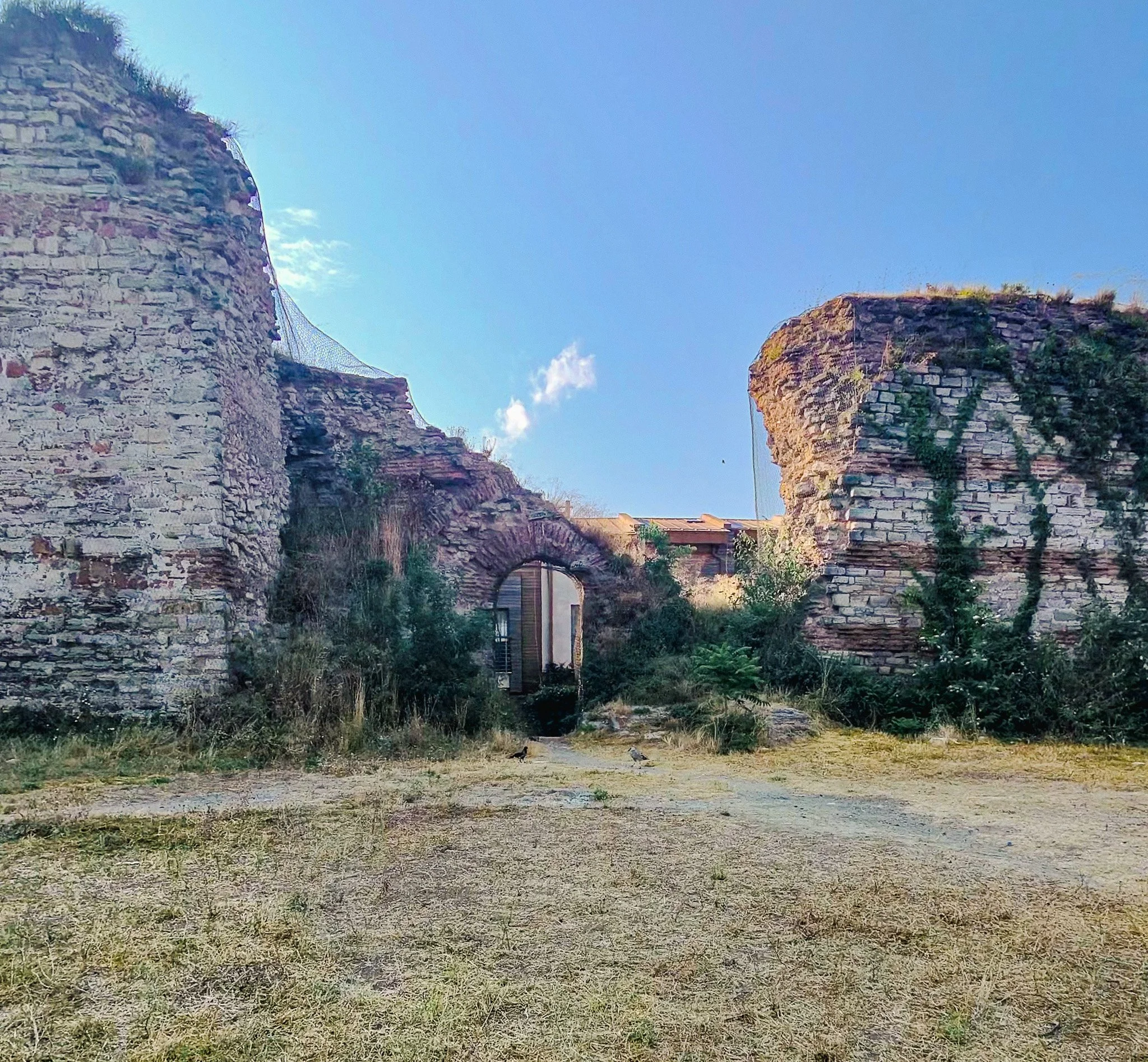
The Theodosian Walls, captured by Nick during his trip to Istanbul. Click the image for a closer look.
Walls are a maintenance premium, not a monument
What struck me was that the reputation was earned not just in stone but in law and in money. One third of the city’s entire annual land tax was set aside for the walls’ upkeep. Every citizen, noble or commoner, with no exemptions, was legally bound to labour on them [1]. When earthquakes did damage, the emperors paid from the treasury: Leo III funded major repairs by lifting taxes by roughly 8%.
Sit with that, because it is the whole lesson in miniature. The defences lasted because someone kept paying the premium in the good centuries, when nothing was attacking and the money could easily have gone somewhere more enjoyable. The top performers repeatedly do what is difficult but gives them the result they seek, and nothing is more difficult, or more boring, than paying for walls nobody is attacking. That is the emergency fund topped up in the good year, the insurance renewed before it is needed, the estate plan reviewed while everyone is well, the portfolio rebalanced while it still feels unnecessary. When the values are known, the decisions are easy.
The weak point everyone knew about
After much walking, I found what I had come for: the Fifth Military Gate, the Pempton. It is completely unmarked, with no sign, no plaque, just a modern road cutting through a gap in the ruins. You could walk straight through without knowing what you were passing. It sat in the Mesoteichion, where the line runs through the valley of the Lycus river. Because the ground dips here, the walls stood lower than the land outside, and attackers on the higher ground could fire down into them. It was the weak point. And everyone knew it [2].
There is the second lesson. It isn’t whether you have a soft spot; you do, and so does every family and every portfolio. It is whether you have named and reinforced it, or simply hoped nobody would notice. Too many are walking around blind without a cane, able to quote you the market numbers but unable to name their own greatest exposure: the asset that is half their net worth, the debt that only works while rates stay low, the business with no succession plan. The known weakness left untended is where empires get taken.
The map redrew itself - here and there
Closer to home, that exposure has a familiar shape. For four generations, residential property has simply worked for New Zealand families. Buy, hold, borrow, repeat. It needed patience and a mortgage, not cleverness. Grandad did it, Dad did it, you did it. It was less a strategy than a law of nature.
Then the map redrew itself, and the data is worse than most assume. Nationally, values are 19.1% below the January 2022 peak in nominal terms, and roughly 25-30% or more once inflation is counted, depending on the measure [5]. The falls have been uneven, and Hawke’s Bay owners know the headline number rarely matches their own street. Nobody rang a bell. Waiting won’t bring the old map back, and no one can browbeat facts. None of which means property is finished. It means any single strategy, however golden its history, is exposed to a world that keeps changing the rules - just as those walls were perfect until gunpowder changed what a wall was worth.
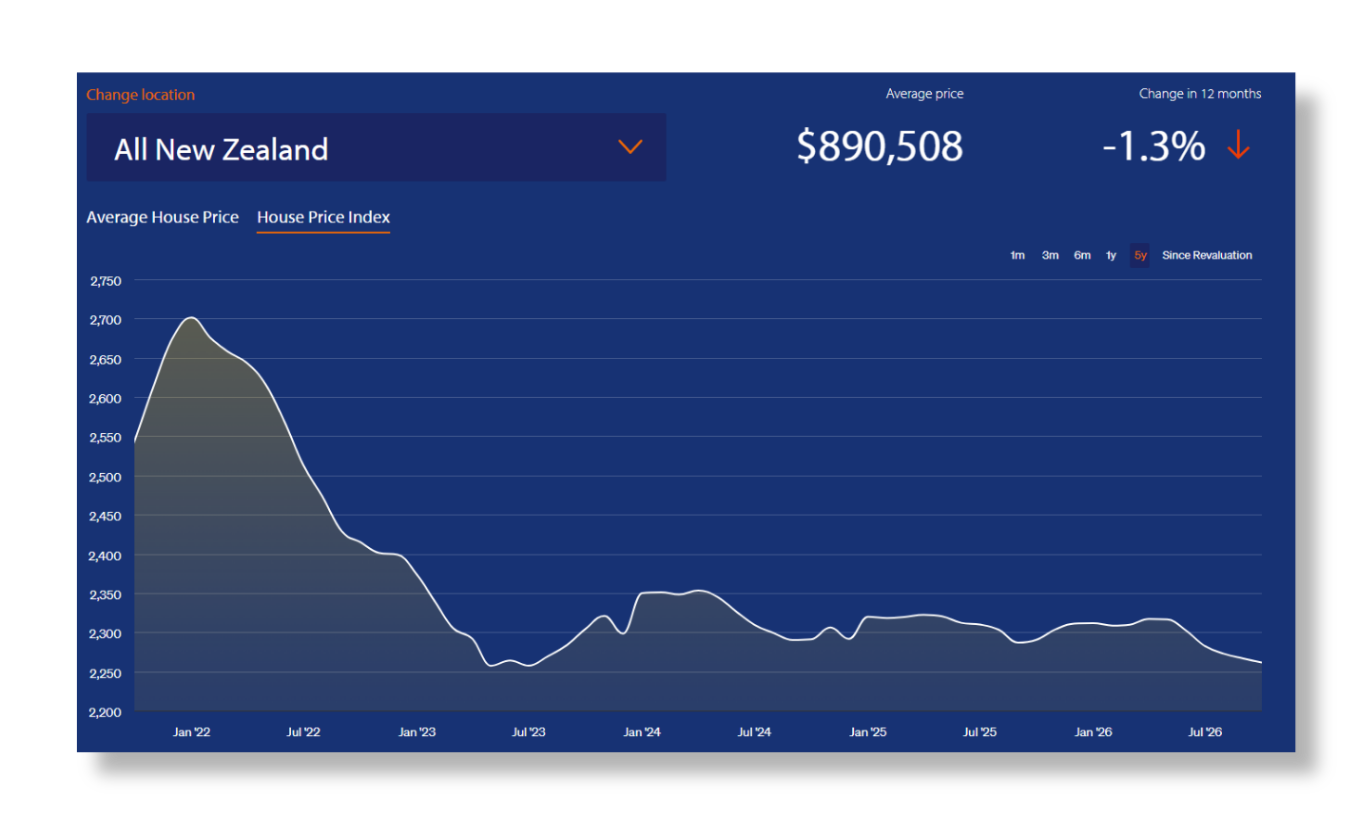
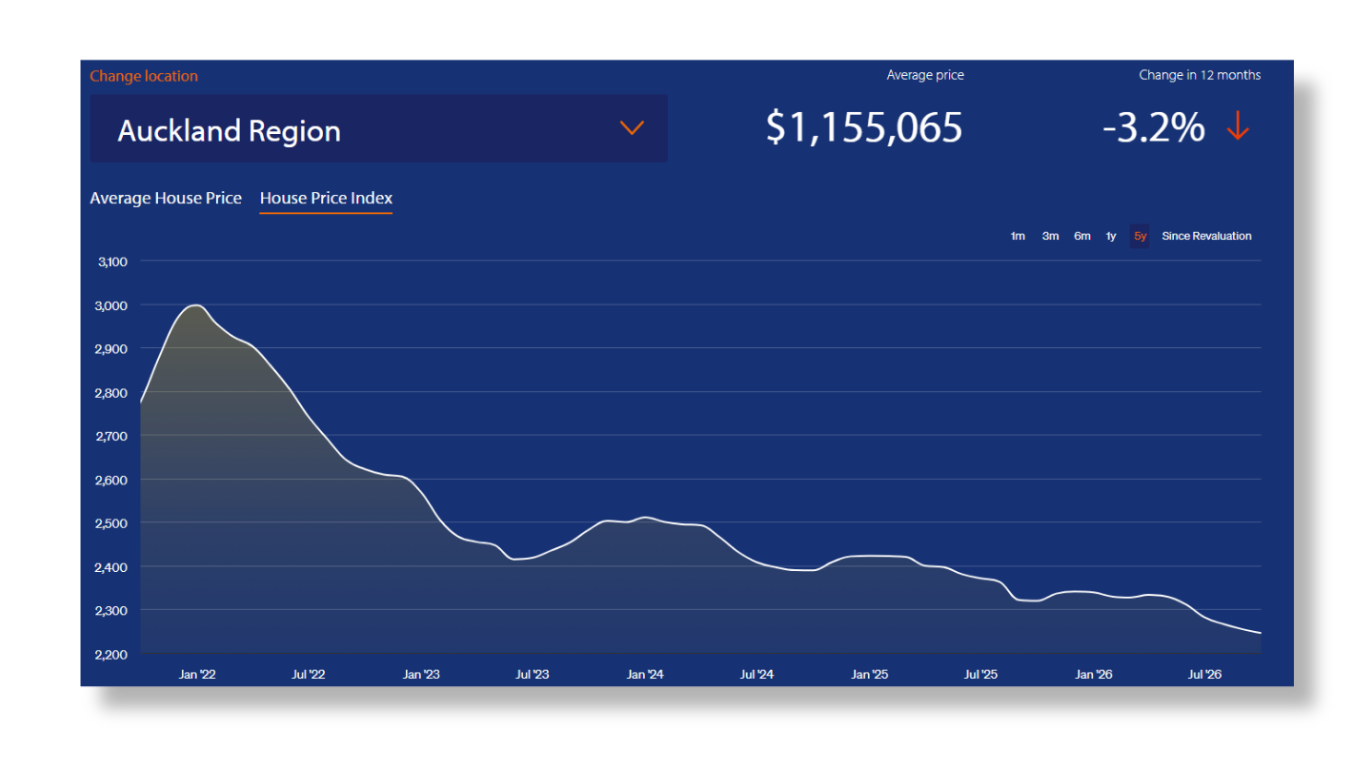
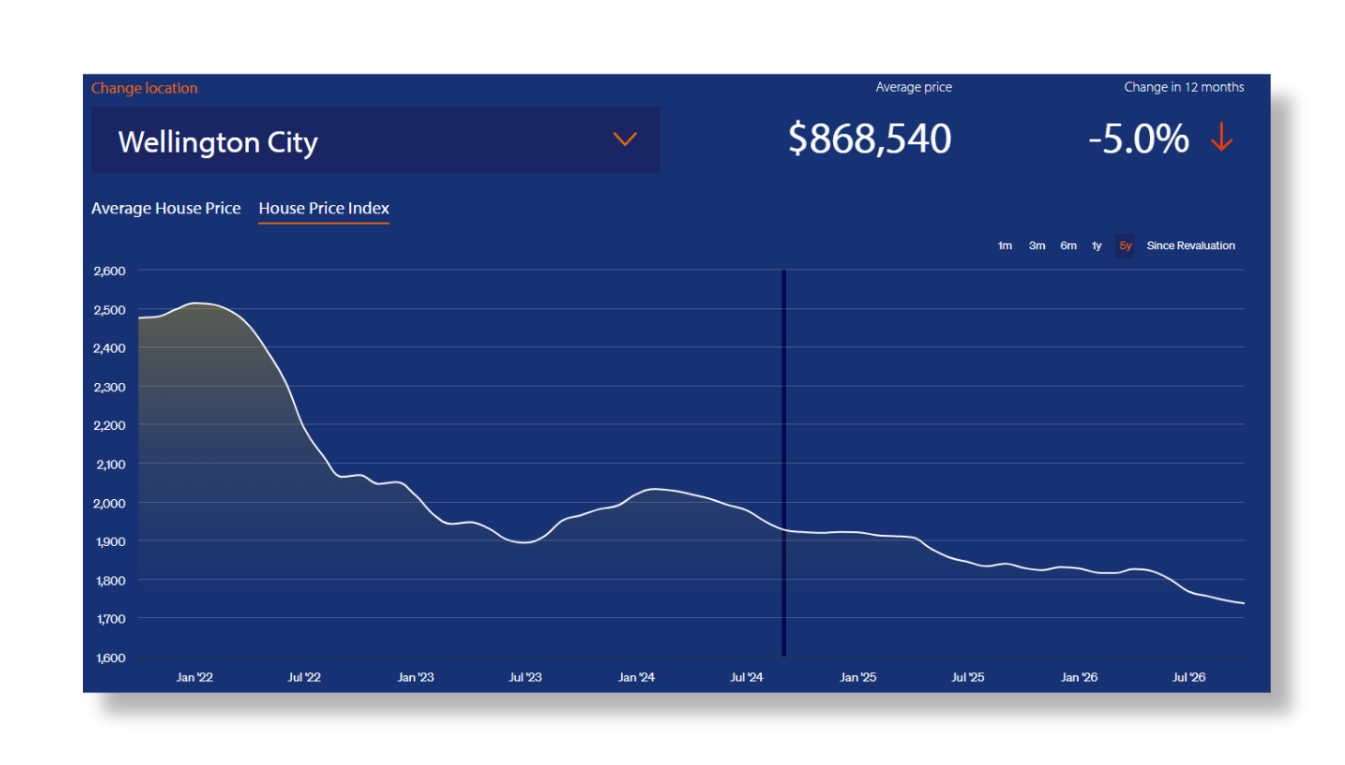
Source: QV House Price Index | Click to view
And then the debt
The Byzantines minded their walls for a thousand years. The later Ottoman Empire, which took the city, eventually stopped minding its money. It had never borrowed abroad - then took its first foreign loan in 1854. Just the one. The first hit is always free. The debt ballooned, funding consumption rather than anything productive, and for two decades they rolled it over because the good times covered it. Then the Panic of 1873 hit and the tide went out. By 1875 the empire defaulted on debt of around £214 million against annual income of just £21 million, ten times what it earned, with two-thirds of all revenue going simply to service it [4]. When you cannot pay, your creditors set the terms. In 1881 a foreign-run agency was installed on Ottoman soil to collect the taxes and pay the bondholders first. They did not merely lose money. They lost control of their own house. That is the arc: from paying to protect what you have, to paying for what you already spent.
The gate that was left open
There is one more story, and it is the one I keep coming back to. Near the northern end was a small postern called the Kerkoporta. According to the Byzantine historian Doukas, it had been reopened to let defenders make sorties out, and someone failed to lock it. Ottoman soldiers found it, slipped through, climbed a tower and raised their banner, and the panic did the rest. Historians treat the tale with caution, and the great cannon had by then been battering the walls for weeks [3]. But the pattern is older. In 1204 the knights of the Fourth Crusade broke in from the harbour side, where the defence was thinnest, rather than at the great land walls [3]. The greatest fortifications in the world were undone at their edges.
It is almost never the grand, obvious threat that gets through. In a financial life, the Kerkoporta is the review never done, the will left ten years out of date, the cover quietly lapsed, the guarantee signed and forgotten, the concentration nobody re-examined because it had always been fine. You can hold the strongest position imaginable and still be undone by the door left open on a quiet morning. All the ramparts in the world don’t help if the postern’s unlocked.
The Canny View
The place looks utterly ordinary now: a road, some traffic, dry grass on broken stone, and no sign to tell you an empire ended here. The lessons are not complicated, and they long predate us. Pay the maintenance premium in the good years, because that is what buys you the bad ones. Name your weak point and reinforce it. Don’t mistake a strategy that has always worked for one that always will, and keep your borrowing in honest proportion to what you earn, so that a downturn stays your problem to manage rather than your creditor’s decision to make. And above all, walk the walls. Check the small doors.
This is where an adviser earns their keep. It is a fiduciary duty not to be subordinate to a client’s comfort, but to lead, do the job, and speak the unspoken truth - to be the one who walks the perimeter at dawn and points out the gate nobody remembered to lock. If you think that professional advice is expensive, try using an amateur. Or ask the defenders of 1453, who held the mightiest walls on earth and, by one account, lost the city through a door.
When the map is redrawing itself, seek advice and wise counsel.

Nick Stewart
(Ngāi Tahu, Ngāti Huirapa, Ngāti Māmoe,
Ngāti Waitaha)
Financial Adviser and CEO at Stewart Group
Stewart Group is a Hawke's Bay and Wellington based CEFEX & BCorp certified financial planning and advisory firm providing personal fiduciary services, Wealth Management, Risk Insurance & KiwiSaver scheme solutions.
The information provided, or any opinions expressed in this article, are of a general nature only and should not be construed or relied on as a recommendation to invest in a financial product or class of financial products. You should seek financial advice specific to your circumstances from a Financial Adviser before making any financial decisions. A disclosure statement can be obtained free of charge by calling 0800 878 961 or visit our website, www.stewartgroup.co.nz
References
1. Freely, J., Istanbul: The Imperial City; World History Encyclopedia, Theodosian Walls; The Byzantine Legacy, Theodosian Walls.
2. Runciman, S., The Fall of Constantinople 1453; Britannica, Fall of Constantinople; The Byzantine Legacy, Theodosian Walls.
3. Runciman, S., The Fall of Constantinople 1453; Phillips, J., The Fourth Crusade; “Kerkoporta”, in The Siege and the Fall of Constantinople in 1453 (Routledge, 1991); Britannica, Sack of Constantinople (1204).
4. Wikipedia, Ottoman public debt; Britannica, Decree of Muharrem; Britannica, Ottoman Public Debt Administration.
5. Cotality NZ, Home Value Index, October 2026.