
Article #480
On the wall outside one of our meeting rooms in Hawke’s Bay hangs a faded Italian flag, framed and protected. A New Zealand soldier took it from the car of an Italian officer who surrendered to him in North Africa, and carried it home at the end of the war. It came to us through Trade Me. The seller, the soldier’s daughter, was looking for someone who would treat it with respect; her family, she explained, had no particular interest in it. I do. Behind the frame sits our correspondence and a record of her father’s service through the desert campaign. Each time I walk past it, I reflect on him, on what he carried home, and on the men who did not.
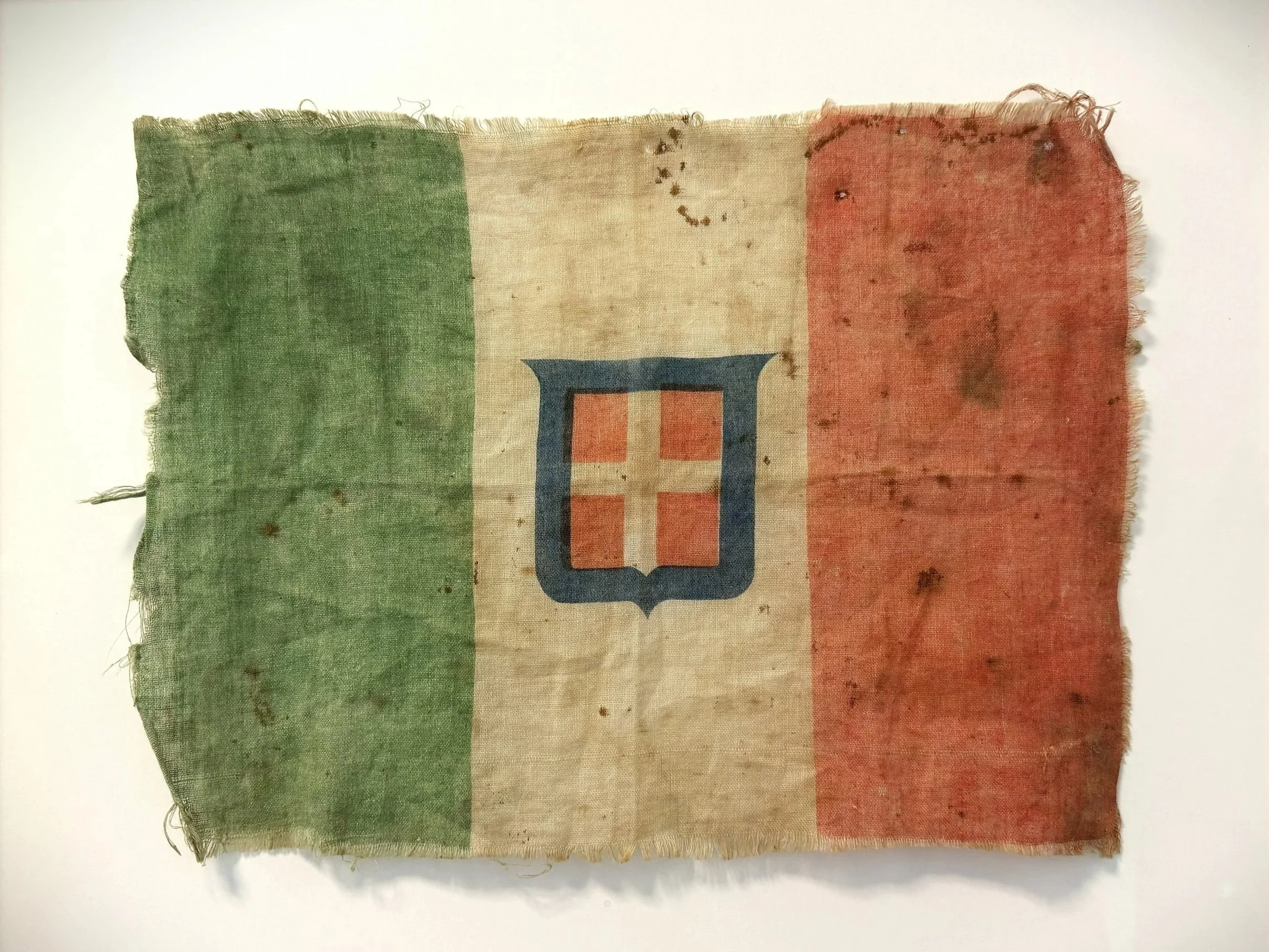
Kingdom of Italy flag (1861-1946), bearing the Savoy shield. Hung at Stewart Group Hastings
This week falls within the anniversary of the Second Battle of El Alamein, which opened on 23 October 1942 and proved to be the turning point of the war in North Africa [1].
A campaign too easily forgotten
North Africa is one of the more underappreciated chapters of the Second World War. Public memory, perhaps understandably, gravitates to the great set-piece moments we still tell stories about, including the Battle of Britain, the Dam Busters, the famous bombing raids and naval engagements. North Africa is, by comparison, a forgotten campaign. Yet for New Zealand forces, it was the longest and most important land campaign of the war. The 2nd New Zealand Division, under Bernard Freyberg, fought from 1941 through to the Axis surrender in Tunisia in May 1943 [2]. The cost was severe. By the end, almost 14,000 New Zealanders had been killed, wounded, or taken prisoner [3]. Keith Elliott and Te Moananui-a-Kiwa Ngārimu were awarded the Victoria Cross, while Charles Upham earned a bar to his existing VC. [4] Ngārimu’s was posthumous, awarded for his actions at Tebaga Gap in Tunisia in March 1943 [5].
I’ve been reading Saul David’s recent history of the campaign, Tunisgrad [6]. The title is a deliberate echo of Stalingrad, and the parallel is more than rhetorical. Tunisia was an attritional, brutal phase of the war that effectively destroyed Axis power on the African continent. By the time it ended in May 1943, more than a quarter of a million Axis troops had been taken prisoner [7]. New Zealand units, including the 28th (Māori) Battalion, were instrumental in the final push [8]. The campaign succeeded not through any single moment of brilliance but through grinding, disciplined, collective effort.
Supply lines and lost vehicles
That phrase, grinding, disciplined, collective effort, has a personal resonance for me. My uncle’s father, Mick, drove trucks through the campaign. Long-haul supply runs across hundreds of kilometres of empty desert, the same featureless terrain stretching away to the left and to the right, hour after hour. He told stories of vehicles ahead and behind that simply vanished, lost, misdirected, captured after wandering unwittingly into enemy lines. The desert did not care whether you were brave or careful. It swallowed people whole.
Even the highest-ranking commanders were not safe. In April 1941, Lieutenant-General Richard O’Connor, the architect of Operation Compass, the man who had just destroyed an Italian army many times the size of his own, was lost to the desert in exactly the way Mick described. His unescorted staff car ran into a German patrol at night. He spent more than two years as a prisoner of war [9]. One of Britain’s most capable early-war generals, removed from the campaign after encountering enemy forces in the dark.
What that tells you about the campaign is what stays with me. North Africa was won by men like Mick, hauling fuel, water, ammunition and food day after day across terrain that could swallow you in an afternoon. It was a war of logistics. The headlines went to the Upham VCs, and rightly so. But the campaign was won by the truck drivers, the signallers, the engineers, the cooks, and the riggers. The unglamorous work that, together, kept everything else possible.
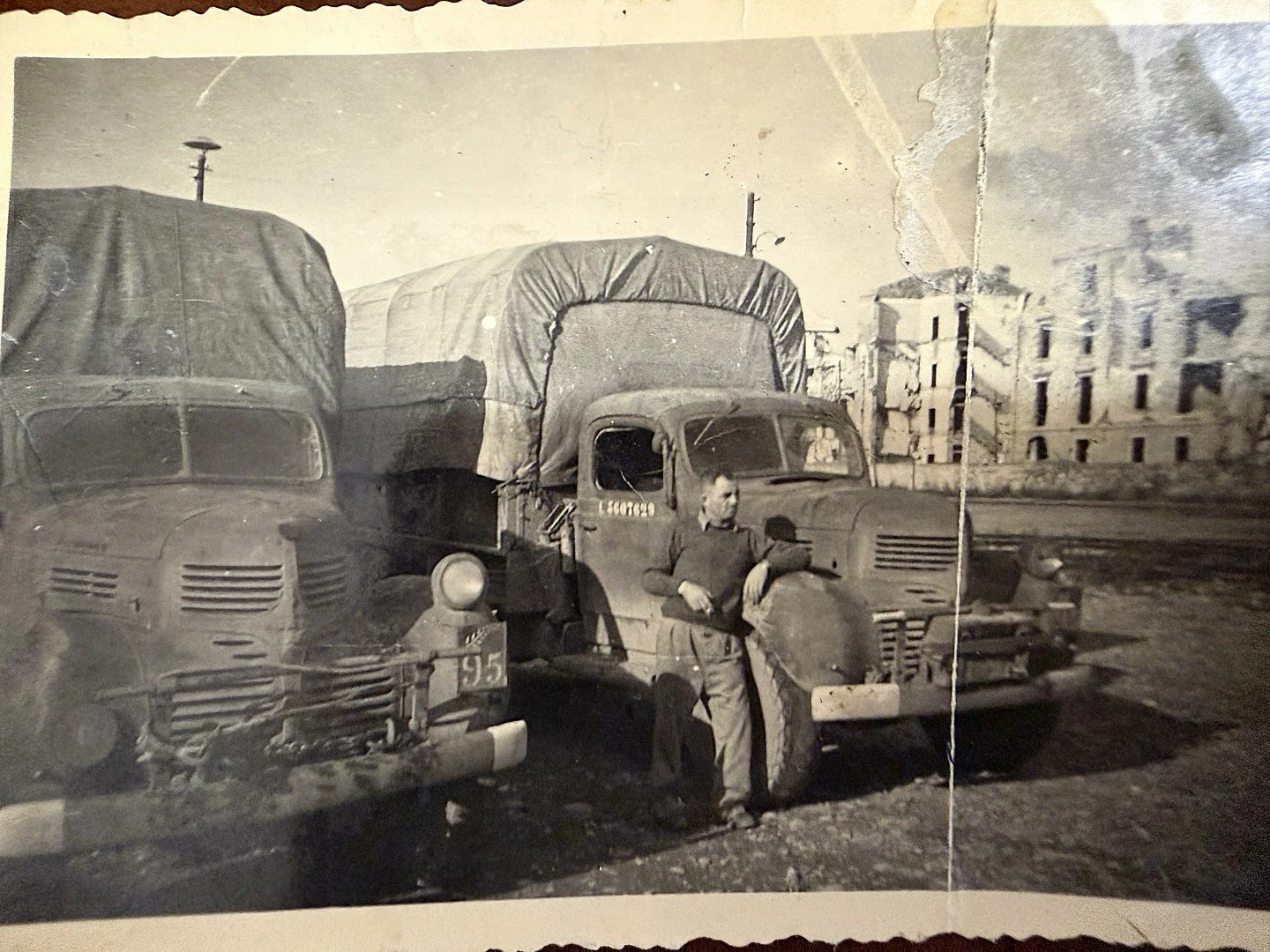
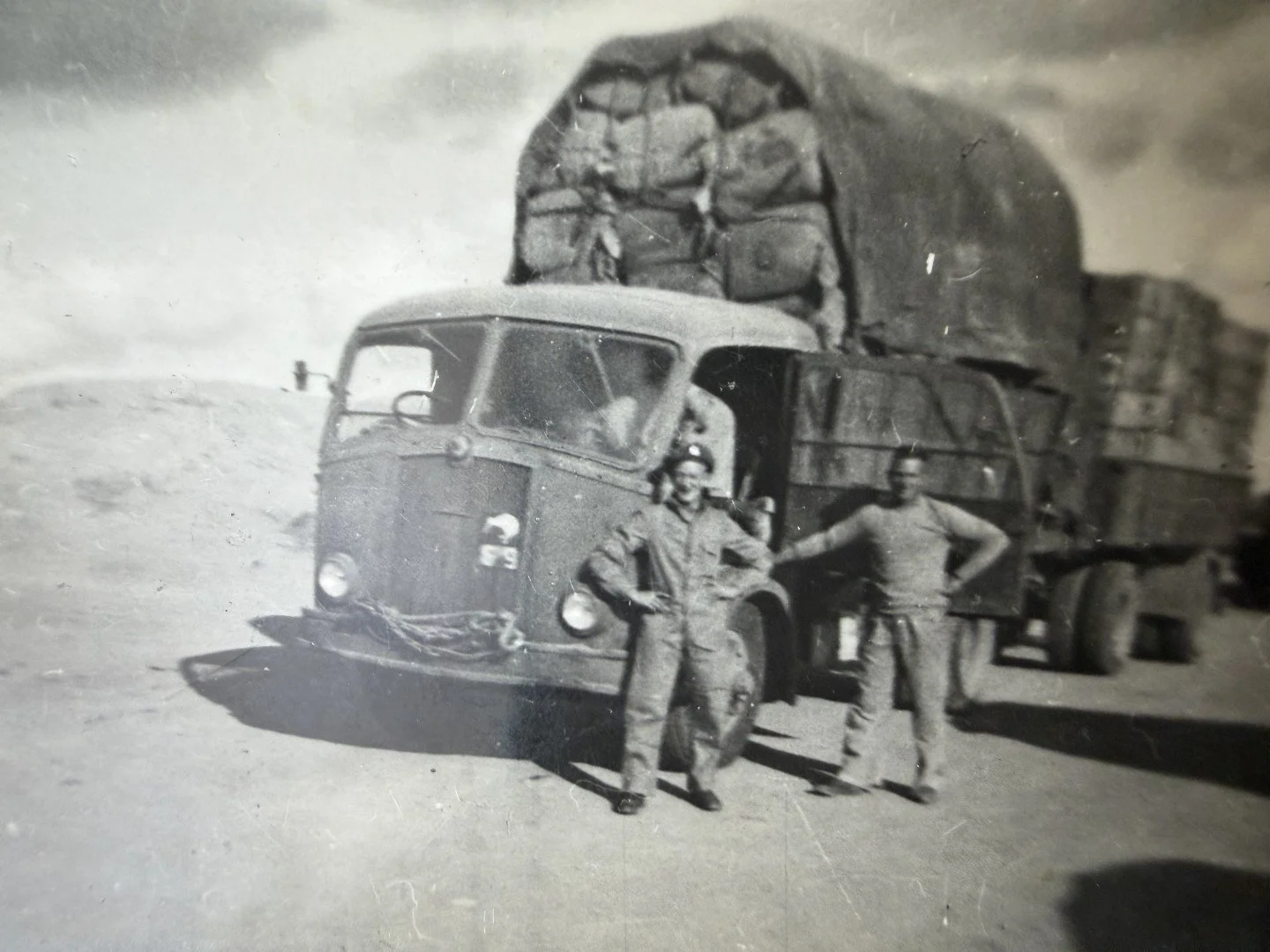
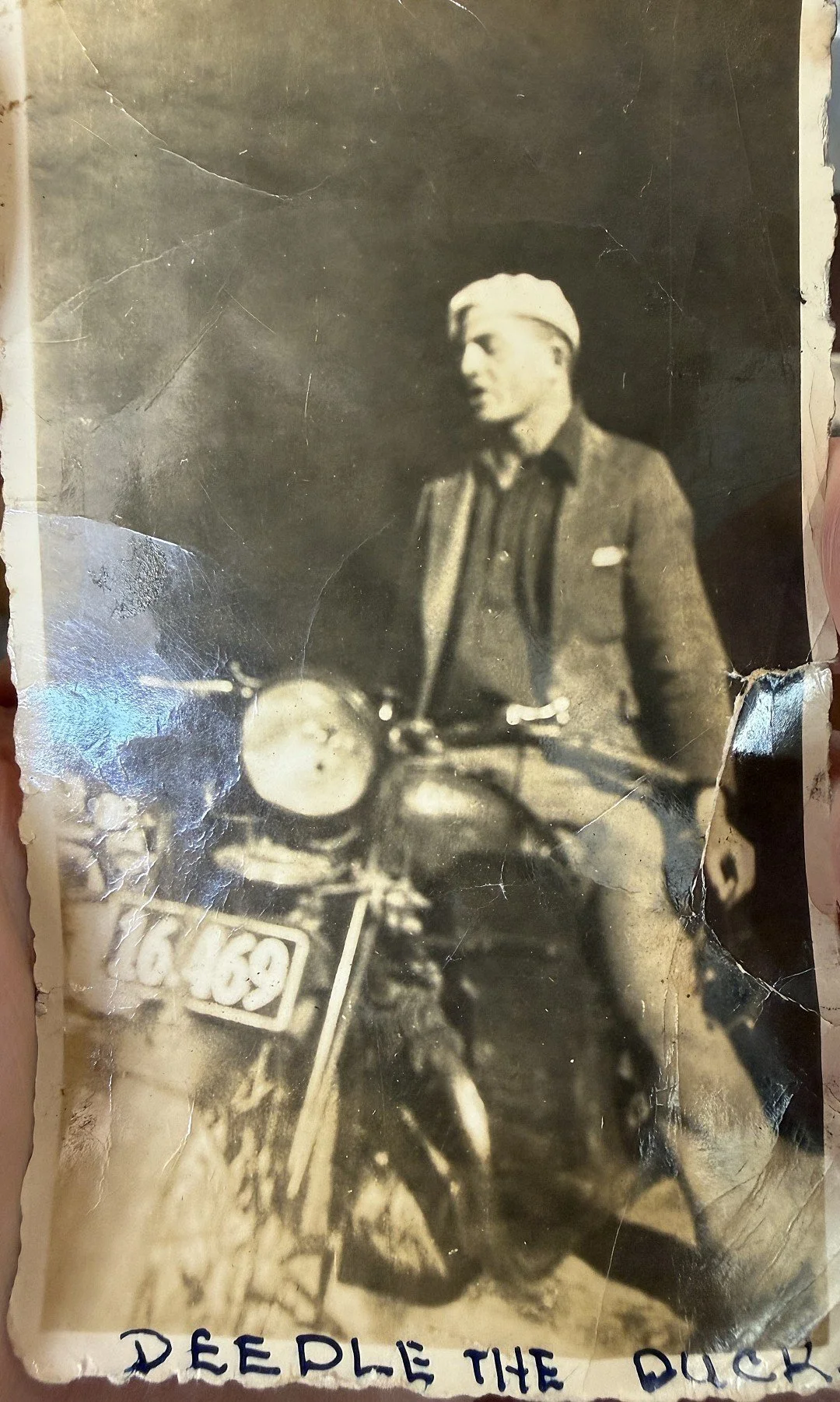
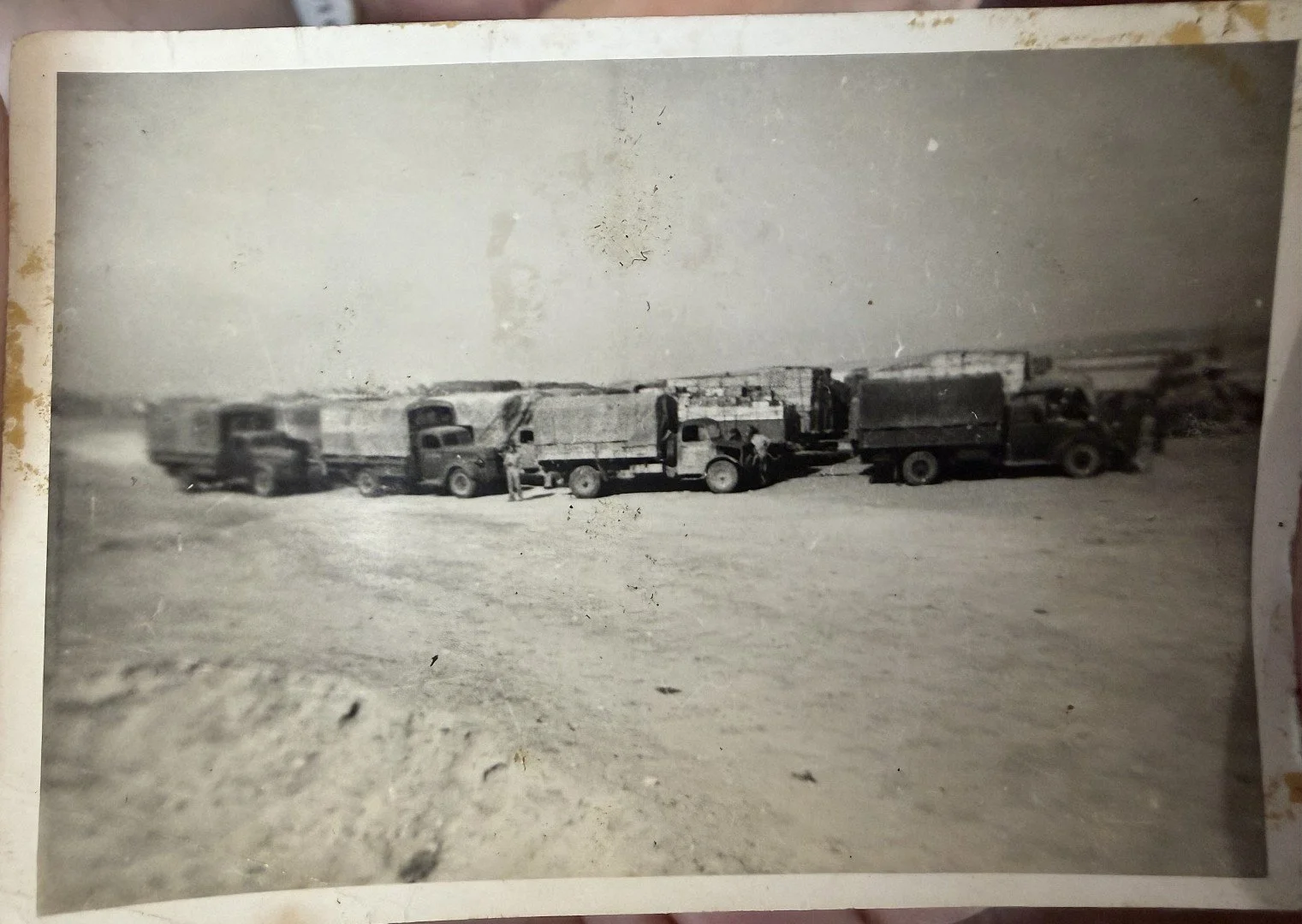
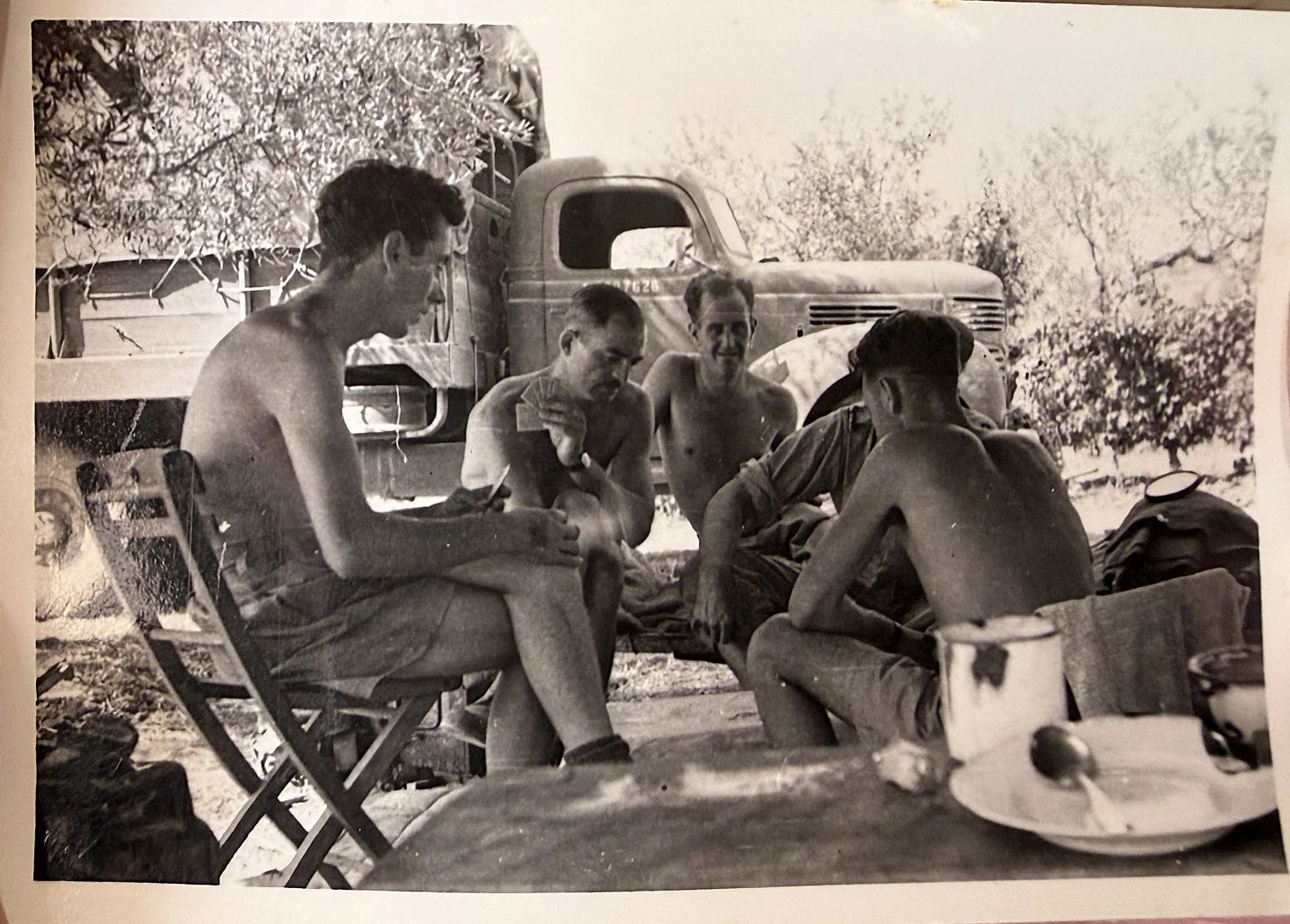
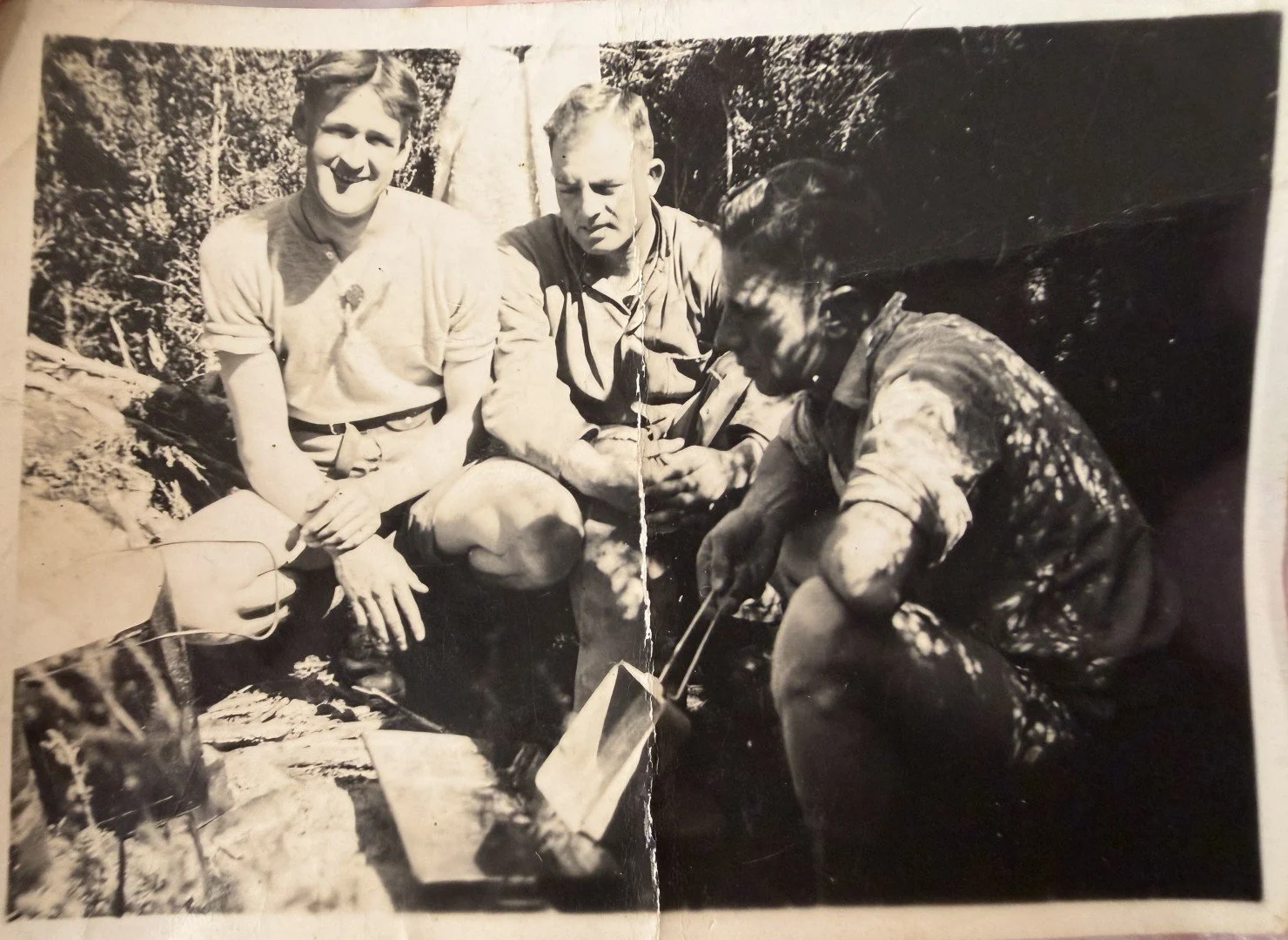
Photographs of Mick Harper and his fellow servicemen during the North African campaign. From his personal collection.
The investor’s mistake
I see the same pattern, again and again, in the way investors approach their capital.
In 2025, emerging markets were the top-performing asset class in Mercer’s table of investment returns [10]. The year before, it was something else. The year before that, something else again. The financial press, the broker community, and a fair share of advisers spend extraordinary energy trying to identify next year’s winner ahead of time. Portfolios get reshaped around the standout of the moment. The steady holdings that quietly do their job (international bonds, defensive equities, infrastructure, cash, sometimes even the unloved local market) get treated as dead weight. Investors look at them with disdain and ask why they aren’t pulling their weight.
This is, I believe, the central error of contemporary investing. Winners are hard to find in advance. Winners are not consistent. Persistence studies of actively managed U.S. funds show that sustained outperformance relative to peers is difficult to maintain [11]. A portfolio that constantly chases the leader is, in effect, fighting the last war.
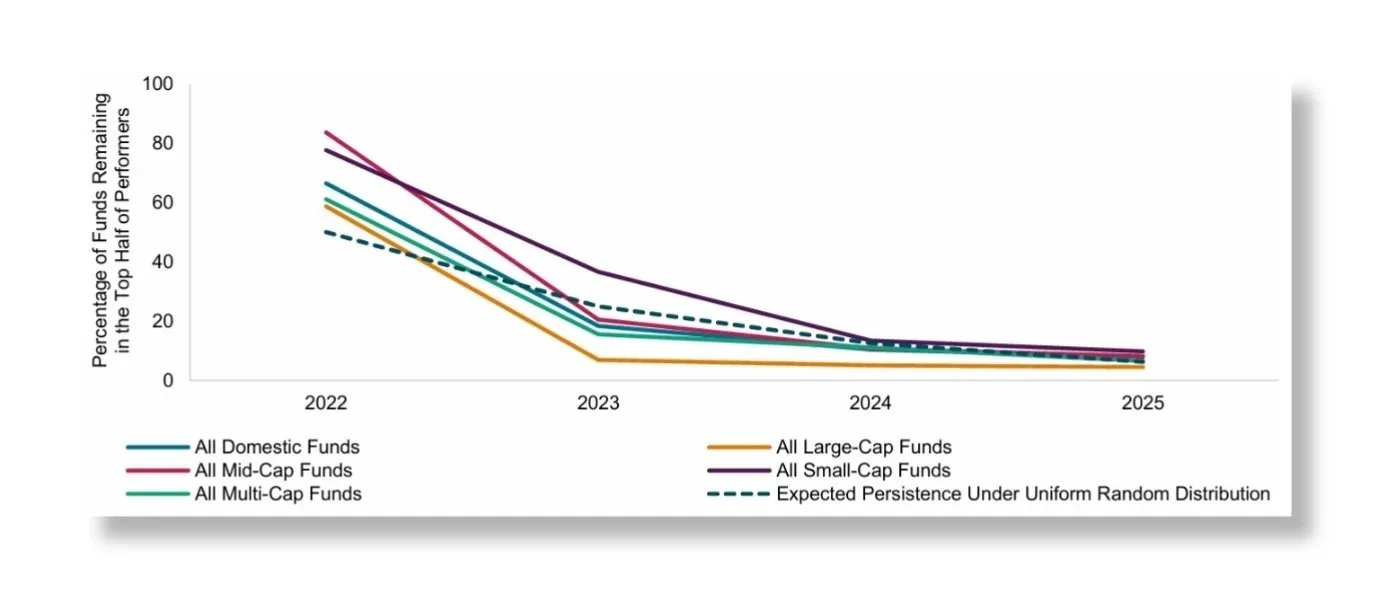
Source: S&P Dow Jones Indices LLC, CRSP. Data as of Dec. 31, 2025. Chart is provided for illustrative purposes. Past performance is no guarantee of future results.
A portfolio built like a campaign
A well-constructed portfolio looks rather more like the El Alamein order of battle than a Victoria Cross citation. It contains assets that, individually, may never make headlines but which, together, hold the line when conditions turn. Diversification is the discipline of accepting, in advance, that you cannot pick the winner every time, and structuring accordingly. Each holding has a job to do. The bond allocation isn’t there to outperform equities; it’s there to absorb the shock when equities sell off. The international exposure isn’t there to beat the local market; it’s there to ensure that when the New Zealand economy struggles, you aren’t entirely captive to it.
The investors I’ve seen do well over decades are not the ones who called emerging markets right in 2025 or technology in 2020. They are the ones who held a sensible mix, rebalanced when they had to, and resisted the urge to chase. Their portfolios looked, frankly, a little boring. That was precisely the point. Their wealth compounded quietly while flashier portfolios round-tripped through booms and busts. Separately, research by Brinson and colleagues found that asset-allocation policy explained most of the variation over time in the pension portfolios’ returns [12].
History repeats because human nature does. The temptation to swap a steady asset for something flashier is the same temptation that, in another context, has had armies betting on single decisive engagements rather than the patient grind. Discipline wins campaigns. Discipline builds wealth. The mechanisms are different; the underlying principle is the same.
What the flag reminds me of
There is a further lesson here, and it is harder to express. The soldiers who fought at El Alamein and through Tunisia were, in the main, ordinary people. They were not, for the most part, looking for glory. They were looking to do their job, survive, and come home to their families. The freedom and the global prosperity we enjoy today rests on what they did and on what those who did not come home gave up.
When I look at that flag, I’m reminded that the work of building something durable, whether a free society or a family’s financial future, is rarely glamorous. It is mostly about turning up, doing the right thing in front of you, and trusting the plan even when no single day feels decisive. Those who appreciate history understand that history repeats, and that lessons from one domain can illuminate another. The principles of disciplined risk management, broad diversification, and patience are not financial inventions. They are something far older.
This Saturday, as you read this, spare a thought for the soldier who carried that flag home, and for the thousands who didn’t. Then, if you’re reviewing your portfolio, ask yourself whether it’s built like a campaign or like a gamble. Built like the former, it will, in time, give you and your family what those soldiers fought for, a chance at a stable and prosperous future.
Lest we forget.

Nick Stewart
(Ngāi Tahu, Ngāti Huirapa, Ngāti Māmoe,
Ngāti Waitaha)
Financial Adviser and CEO at Stewart Group
Stewart Group is a Hawke's Bay and Wellington based CEFEX & BCorp certified financial planning and advisory firm providing personal fiduciary services, Wealth Management, Risk Insurance & KiwiSaver scheme solutions.
The information provided, or any opinions expressed in this article, are of a general nature only and should not be construed or relied on as a recommendation to invest in a financial product or class of financial products. You should seek financial advice specific to your circumstances from a Financial Adviser before making any financial decisions. A disclosure statement can be obtained free of charge by calling 0800 878 961 or visit our website, www.stewartgroup.co.nz
References
1.“A 5-Minute History of the Battle of El Alamein,” Imperial War Museums. https://www.iwm.org.uk/history/second-world-war/north-africa-campaign/history-of-battle-of-el-alamein
2. “The North African Campaign,” NZ History (Manatū Taonga, Ministry for Culture and Heritage). https://nzhistory.govt.nz/war/the-north-african-campaign
3. “The North African Campaign,” NZ History. https://nzhistory.govt.nz/war/the-north-african-campaign
4. “NZ Victoria Cross recipients,” NZ History. https://nzhistory.govt.nz/page/nz-victoria-cross-recipients
5. Whai Ngata, “Ngārimu, Te Moananui-a-Kiwa,” Dictionary of New Zealand Biography, Te Ara, The Encyclopedia of New Zealand. https://teara.govt.nz/en/biographies/5n9/ngarimu-te-moananui-a-kiwa
6. Saul David, Tunisgrad: Victory in Africa (William Collins, 2025).
7. Saul David, Tunisgrad: Victory in Africa (William Collins, 2025).
8. “Tunisia and victory,” NZ History. https://nzhistory.govt.nz/war/the-north-african-campaign/tunisia
9. “Richard Nugent O’Connor,” Encyclopædia Britannica. https://www.britannica.com/biography/Richard-Nugent-OConnor
10. Mercer, “2025 Table of Investment Returns.” https://www.mercerfinancialservices.co.nz/mercer-magazine/investments/2025-table-of-investment-returns.html
11. S&P Dow Jones Indices, “U.S. Persistence Scorecard, Year-End 2025.” Copy hosted by Aries Advisors. https://www.ariesadvisors.com/files/persistence-scorecard-year-end-2025.pdf
12. Brinson, Hood & Beebower, “Determinants of Portfolio Performance,” Financial Analysts Journal, 1986; Brinson, Singer & Beebower, “Determinants of Portfolio Performance II: An Update,” Financial Analysts Journal, 1991.