Article #451
The crack of a rifle echoes through the ranges. Deer season is open, and thousands of New Zealand hunters are pulling on their boots, loading up their packs, and heading into the hills with purpose. The roar is in full swing, and the pursuit of a good stag and a well-stocked freezer is very much alive.
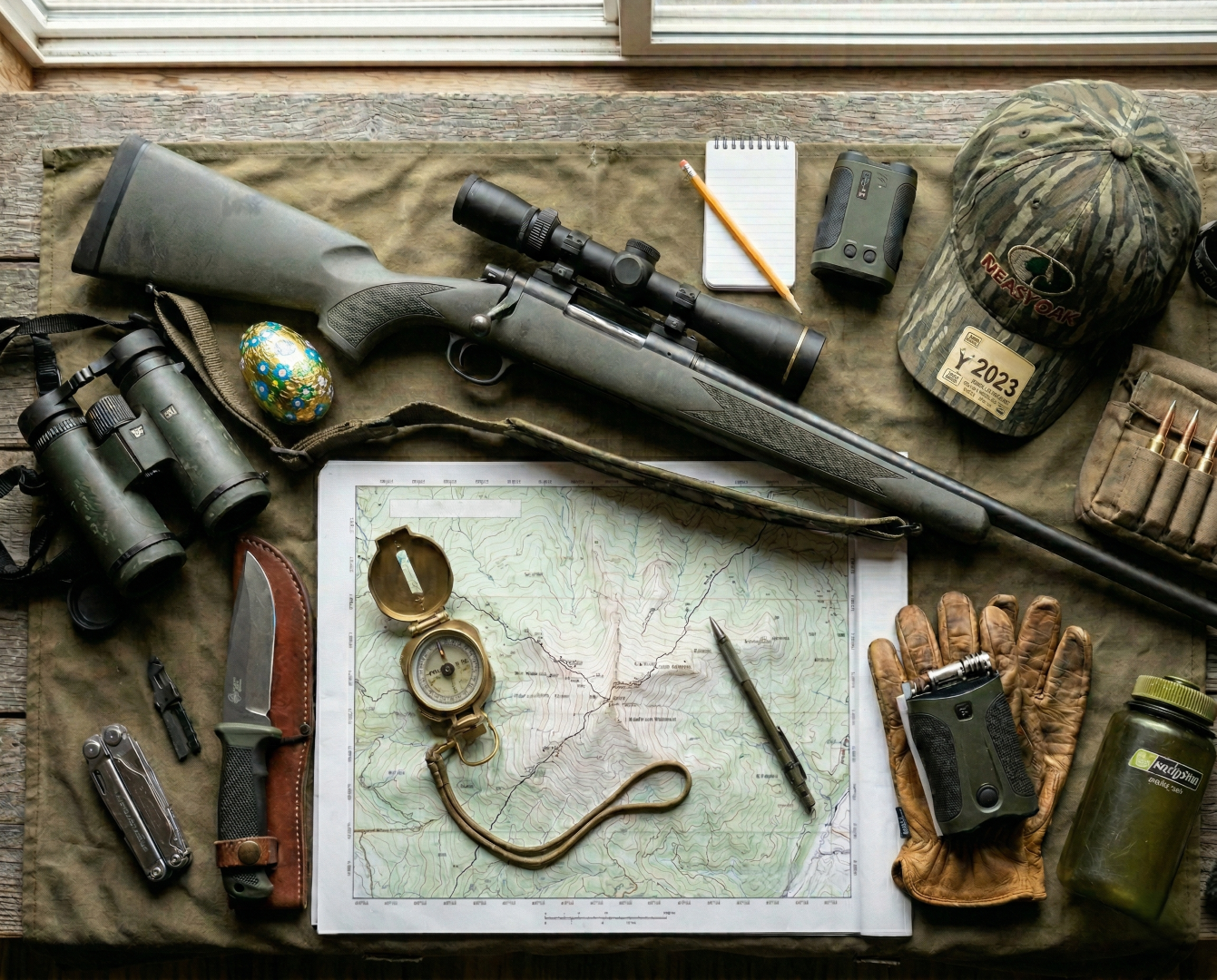
As I watch the preparations unfold each year, I can't help but see unmistakable parallels between heading into the bush and heading into the markets. Both reward the well-prepared investor. Both punish the cavalier. In both cases, coming home well and coming home rewarded start long before you take your first step.
Know the terrain before you go in
No serious hunter heads into unfamiliar bush without doing their homework first. They study the topography, understand the animal patterns, check the weather forecast, and know their exit routes. They talk to people who have hunted that country before. They don't assume that experience from one range translates perfectly to another.
The investment landscape demands the same meticulous care. Before committing capital, the prepared investor takes time to understand the environment they're entering: market conditions, their own risk tolerance, time horizon, and the nature of the assets they're holding. Again, a fund or asset class that performed brilliantly in one market cycle may behave very differently in the next.
Winging it in either arena tends to end badly, and usually at a financial cost to the unwary.
Make your intentions known
Every responsible hunter tells someone where they're going, when they expect to be back, and the route they plan to take. More than mere courtesy, this is protocol that keeps people safe when conditions change unexpectedly. Search and rescue teams will tell you that the single most useful thing a hunter can do before heading out is leave a detailed intentions form with someone they trust.
In financial planning, this translates to working with a trusted fiduciary adviser who holds the full picture of your goals, your situation, and your plan. They're the person who knows where you're headed, what you're working towards, and can raise the alarm or offer a steadying, experienced hand if the conditions shift unexpectedly. A financial plan that lives only in your head is about as useful as intentions you forgot to leave behind before heading into the ranges.
Safety first: Treat every firearm as loaded
The golden rule of firearm safety is to treat every weapon as if it's loaded, every time, without exception. No shortcuts, no assumptions, no matter how familiar the environment or how experienced you are. The moment you stop following the rules is the moment accidents happen.
In investing, the equivalent is always respecting risk, even when conditions look calm, and the market appears benign. It's easy to become cavalier about risk after a long bull run. Portfolios go up, confidence grows, and caution starts to feel unnecessary. But the investors who come unstuck are rarely those who panicked in a downturn; more often, they're the ones who stopped taking risk seriously when times were good and had over-exposed themselves before the conditions changed. Complacency is the safety left on when you're absolutely sure you don't need it, and this oversight will catch up with you eventually.
Don't pull the trigger prematurely
A seasoned hunter knows that a poor shot, taken in haste, without a clear line of sight, or before the animal is properly settled, can wound rather than harvest, and cost you the opportunity altogether. Patience is not a waste of time, nor mere passivity. It is the active, disciplined decision to wait until conditions are right.
The same applies to investment decisions made in the heat of the moment. Selling out of a portfolio when markets fall sharply can feel decisive, and even prudent, at the time. But it often locks in paper losses and leaves you sitting on the sidelines in cash when the recovery comes. And recoveries, historically, tend to come faster and more forcefully than most people expect.
The discipline to hold your position, wait for the right conditions, and resist the urge to act simply because the uncertainty is uncomfortable is what separates a skilled, long-term investor from a reactive one.
Go prepared and stay prepared
The experienced hunter carries more than a rifle. They bring a first aid kit, emergency shelter, a personal locator beacon, and enough food and water to last longer than expected. They aim for the best outcome, while being genuinely prepared for the worst.
A well-constructed investment portfolio works the same way.
Diversification is your emergency kit. It won't prevent all downturns or shield you from every storm, but it ensures no single bad outcome takes you out entirely. Spreading your exposure across asset classes, geographies, and sectors means that when one area of the market is under pressure, others may be holding firm or even gaining ground. Regular reviews with your adviser are the equivalent of checking your gear before each outing; it's essential maintenance that most people wish they'd undertaken sooner when something eventually goes wrong.
The reward is in the preparation
Seasoned hunters come home with something to show for their efforts more often than not, and it's not luck. It's methodical preparation, sound judgment, deep respect for the environment, and the discipline to follow the rules—even when no one is watching and it would be easy to cut corners.
The same is true of investing. The clients who tend to come home well-rewarded are rarely those who chased the latest hot opportunity or abandoned their carefully built plan at the first sign of difficulty. They're the ones who went in prepared, stayed their course through the inevitable rough patches, kept reviewing and adjusting with their adviser, and trusted a disciplined, evidence-based process over the long run.
The bush doesn't care how confident you are. Neither do the markets. But go in right, with a clear plan, the right gear, a trusted guide, and the discipline to follow through when it counts, and both have something well worth taking home.
And if the stag proves elusive this Easter, there's always the egg hunt: a somewhat safer pursuit, with arguably better odds of coming home rewarded.

Nick Stewart
(Ngāi Tahu, Ngāti Huirapa, Ngāti Māmoe,
Ngāti Waitaha)
Financial Adviser and CEO at Stewart Group
Stewart Group is a Hawke's Bay and Wellington based CEFEX & BCorp certified financial planning and advisory firm providing personal fiduciary services, Wealth Management, Risk Insurance & KiwiSaver scheme solutions.
The information provided, or any opinions expressed in this article, are of a general nature only and should not be construed or relied on as a recommendation to invest in a financial product or class of financial products. You should seek financial advice specific to your circumstances from a Financial Adviser before making any financial decisions. A disclosure statement can be obtained free of charge by calling 0800 878 961 or visit our website, www.stewartgroup.co.nz
